

The vegetation of Serengeti National Park changes due to differences in altitude and land forms. Most of the park lies below 1,280 meters above sea level. This level falls within the cultivated climate and vegetation zone. The area is mainly covered with short grass that holds water flowing from the highlands. This type of vegetation is known as savanna. It includes short bushes and many acacia trees. There are also areas with woodlands, swamps, and marshes spread across the park.
Trees of Serengeti National Park
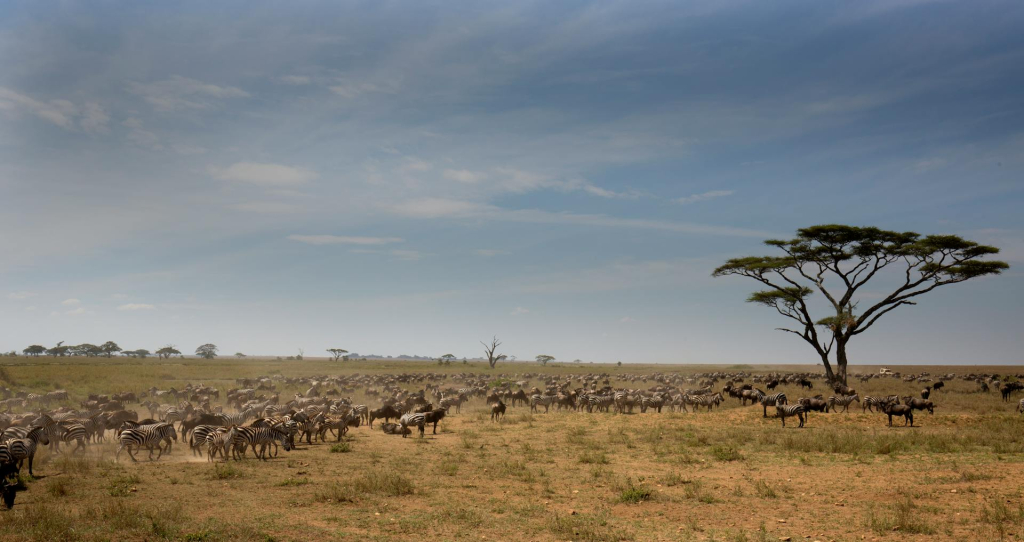
The trees of Serengeti National Park include:
- Sausage tree: This large tree is found in small numbers in Serengeti National Park, mainly along dry riverbanks. The fruit falls to the ground and releases seeds as the pulp rots. The fruits can grow up to 50 centimeters long. Although they look appealing, they are toxic. The long fruit stalks often remain on the tree for months and are sometimes mistaken for a leopard’s tail.
- Fig trees: Fig trees appear in several species within the vegetation of Serengeti National Park. They are easy to identify by their wide buttressed roots, large dark green leaves, and smooth grey bark. These trees often grow in rocky areas known as kopjes or along river edges where the ground stays damp.
- Wild date palm: The wild date palm is the most common palm tree in Serengeti National Park. It grows in wetlands and along rivers. Its fruits are edible but have an unpleasant taste. Palm wine can be made from its sap. The tree provides good shade, which resting lions often use during the day.
- Commiphora: Commiphora trees are common in Serengeti National Park, especially in the eastern areas. They have small round leaves and peeling blue or yellow bark. Parts of the tree are used in traditional medicine to treat stomach problems, liver issues, and skin rashes. The most common species is Commiphora africana, also known as African myrrh.
- Yellow fever tree: Yellow fever trees grow near rivers, marshes, and floodplains. They have yellow bark, wide branches, and large white thorns. Early settlers believed these trees caused fever, not knowing that mosquitoes from nearby water were responsible.
- Umbrella tree: The umbrella tree is one of the most well known trees in the vegetation of Serengeti National Park. It has a flat top, dark bark, and white thorns. Giraffes and elephants feed on its young shoots. Most of these trees are either about 45 or 125 years old due to fire limits on seed growth.
- Whistling thorn: This tree has hollow thorns that house ants. The ants protect the tree, and air moving through the holes creates a whistling sound. Many of these trees grow when the soil becomes wet.
Grasses of Serengeti National Park
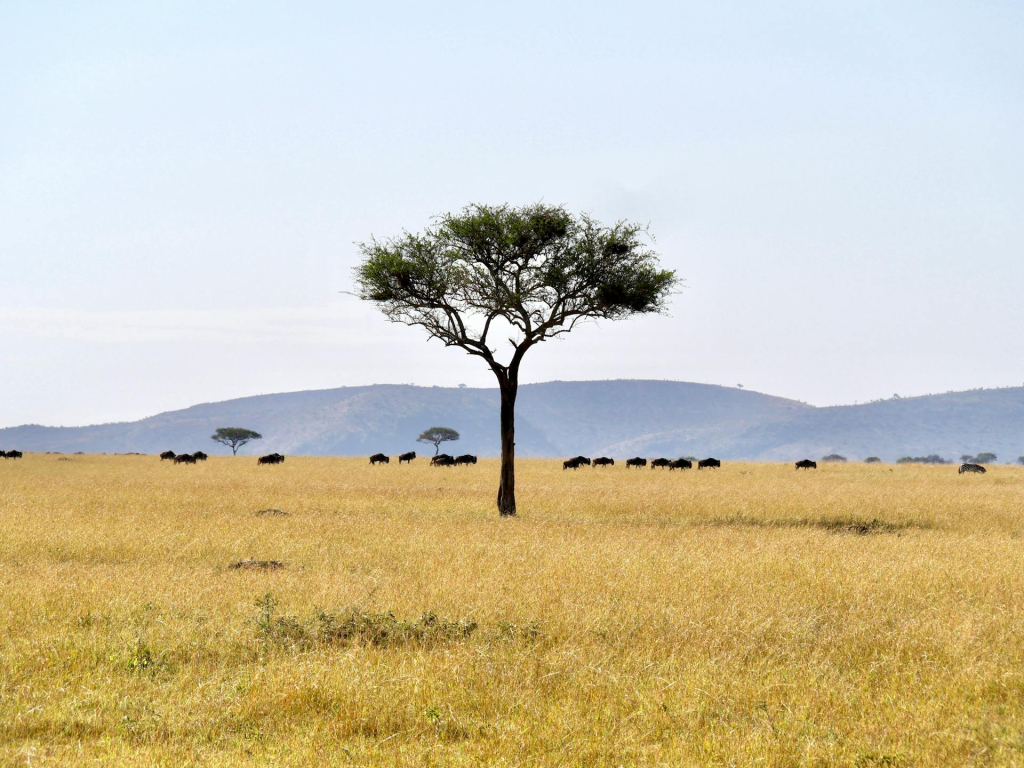
The grasses of Serengeti include:
- Red oat grass: Red oat grass is common in forest areas and long grass plains. When dry, it turns pinkish red. It grows thickly and looks like a wheat field. Some animals eat it only after other grasses are finished.
- Finger grass: Finger grass is one of the most common grasses in the Serengeti. Many grazers prefer it. Its seed heads look like fingers pointing upward.
- Pan dropseed: Pan dropseed grows on short grass plains together with finger grass. It has a tree shaped seed head with small hanging seeds.
Invasive plant species
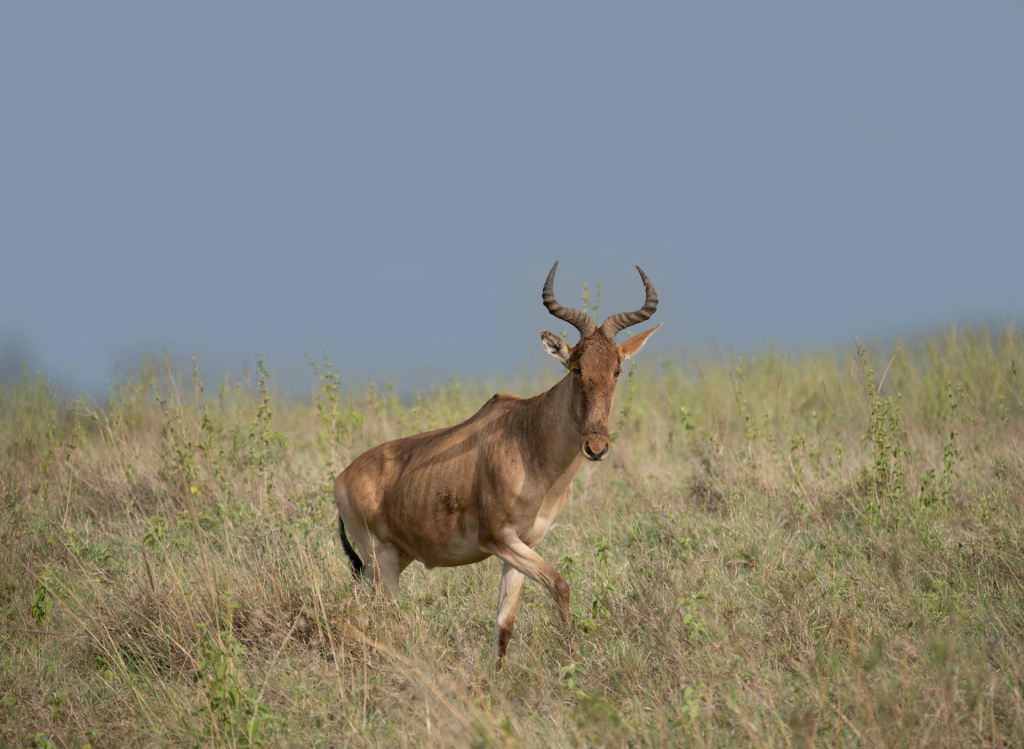
Invasive plants threaten the vegetation of Serengeti National Park by replacing native plants. Mexican marigold entered the area through wheat seeds and now spreads quickly, affecting farming and wildlife areas. Other invasive plants include prickly pear and custard oil. These plants are common along roadsides where seeds spread easily. Invasive species pose a serious risk to the natural vegetation and wildlife movement in Serengeti National Park.




