

This World UNESCO Heritage Site, Serengeti National Park, covers about 5,700 square miles of wide grassland plains dotted with acacia trees. It is home to millions of wildebeests, thousands of zebras and gazelles, many other ungulates, elephants, and a strong population of predators. These include lions, cheetahs, leopards, hyenas, jackals, and large Nile crocodiles found in the Grumeti River. The park also supports hundreds of bird species. Each sector of Serengeti National Park offers its own wildlife experiences and landscapes.
Main regions of Serengeti National Park
The main regions of Serengeti National Park include the Seronera and South Central Region, the Western Region and Grumeti, the Northern Region including Lobo and Loliondo, the Eastern Region, and the Southern Region also known as the Ndutu Area.
Seronera and South Central Region
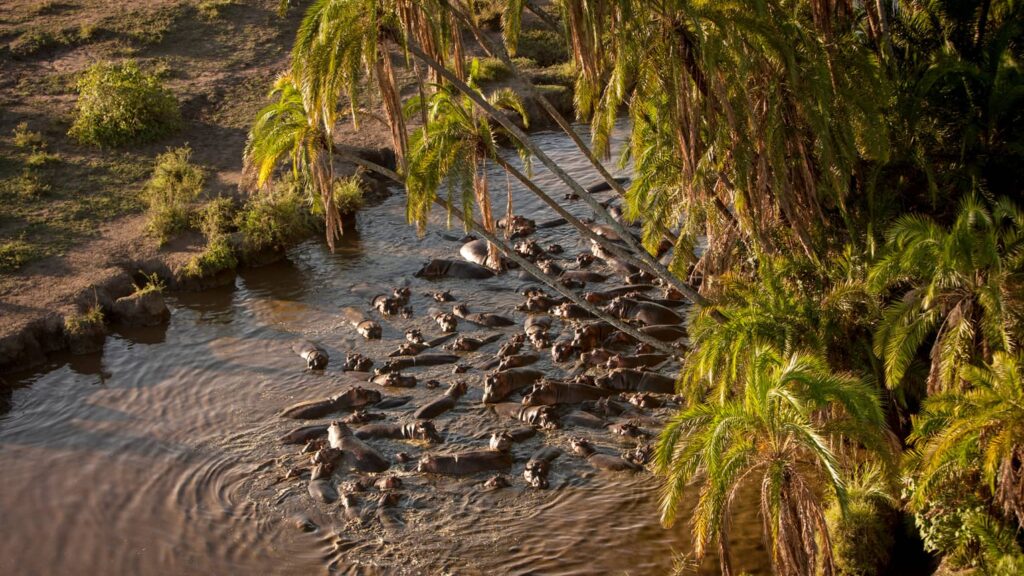
The Seronera and South Central Region is often called the heart of Serengeti National Park. This is the most visited area because wildlife can be seen all year. Large grasslands support elephants, giraffes, lions, and a high number of leopards. The Seronera River flows through this region and provides water even in dry months. This river attracts many animals, making game drives very rewarding. The Great Migration gathers in the southern part of this region during calving season before moving north.
Western Region and Grumeti
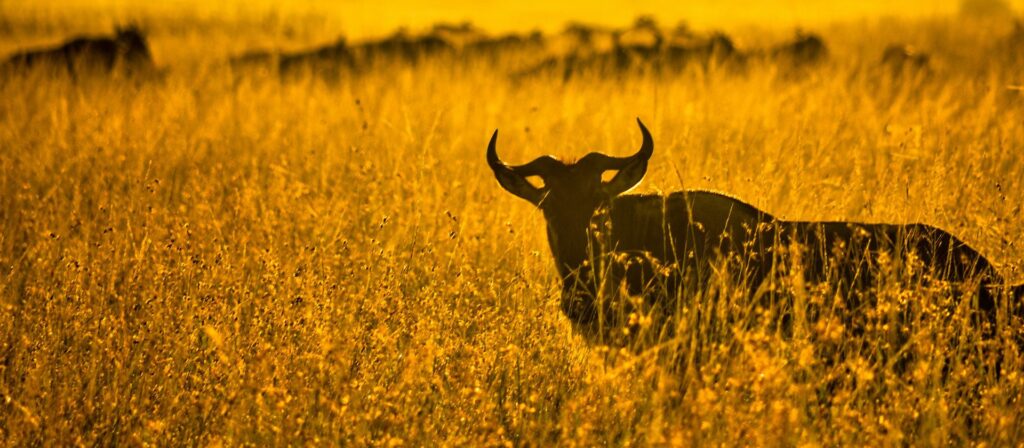
The Western Region follows the course of the Grumeti River. This area is quieter and less busy. Between late May and July, wildebeests and zebras cross the Grumeti River, which is known for large crocodiles. The river and the nearby Mbalageti River support thick riverine vegetation. Guided nature walks and night game drives can be done in this region.
Northern Region Lobo and Loliondo
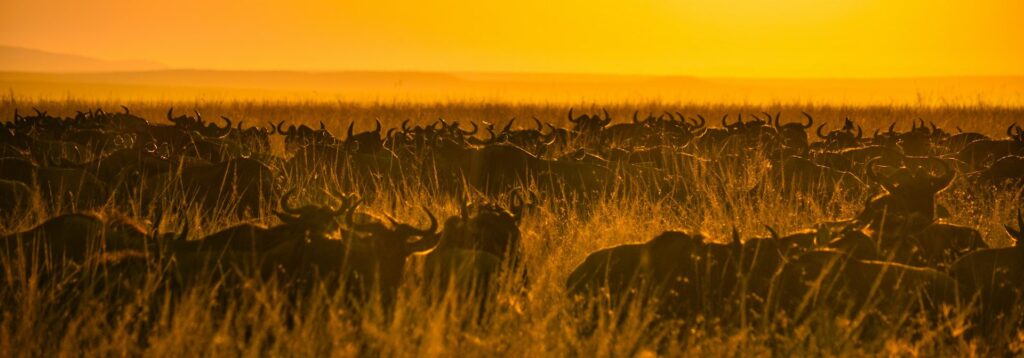
The Northern Region borders the famous Masai Mara National Reserve in Kenya. It is remote and less visited but has many elephants, giraffes, hippos, and predators. From mid July to early November, animals cross the Mara River during the Great Migration.
Eastern and Southern Regions
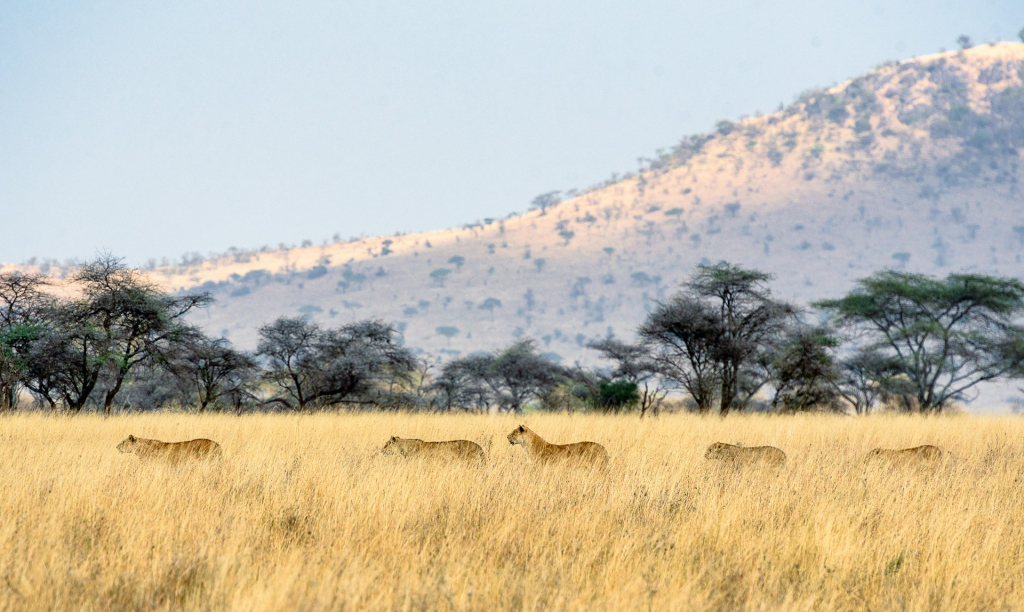
The Eastern Region is quiet and known for kopjes, woodlands, and big cats. The Southern Region around Ndutu is important during calving season from December to February.
Each sector of Serengeti National Park offers a different view of wildlife and nature, making the park a rewarding destination throughout the year.




