

Leopards in Serengeti National Park are among the most difficult animals to see during a safari. Leopards are very elusive and prefer areas with trees where they can hide easily during the day. In Serengeti National Park, they are commonly found in woodlands, riverine areas, and places with large trees or rocky outcrops. These environments allow leopards to stay hidden and safe from other predators.
Leopards are mainly active at night. Their spotted coats help them blend into the dark, making it easier for them to hunt without being noticed. Because of their secretive nature and night activity, spotting leopards in Serengeti National Park often requires patience and careful searching.
Leopards are carnivores and have a wide diet. In Serengeti National Park, they feed on animals such as antelopes, warthogs, monkeys, rodents, zebras, wildebeests, and sometimes fish. They are strong climbers and often drag their prey into trees to protect it from other predators like lions and hyenas.
Night Hunting Behavior
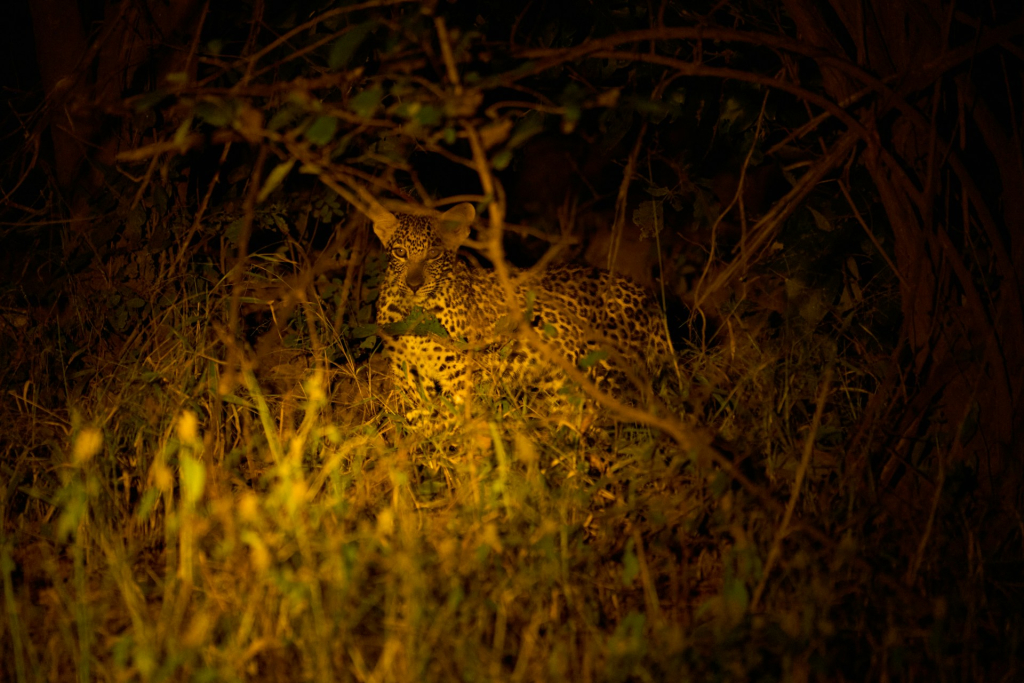
Leopards do most of their hunting at night. During these hours, they move quietly and use the cover of darkness to approach prey. Some of the animals hunted at night include porcupines, bats, owls, and sometimes hyenas. Night hunting reduces competition with other predators and helps leopards avoid conflict.
Daytime Behavior
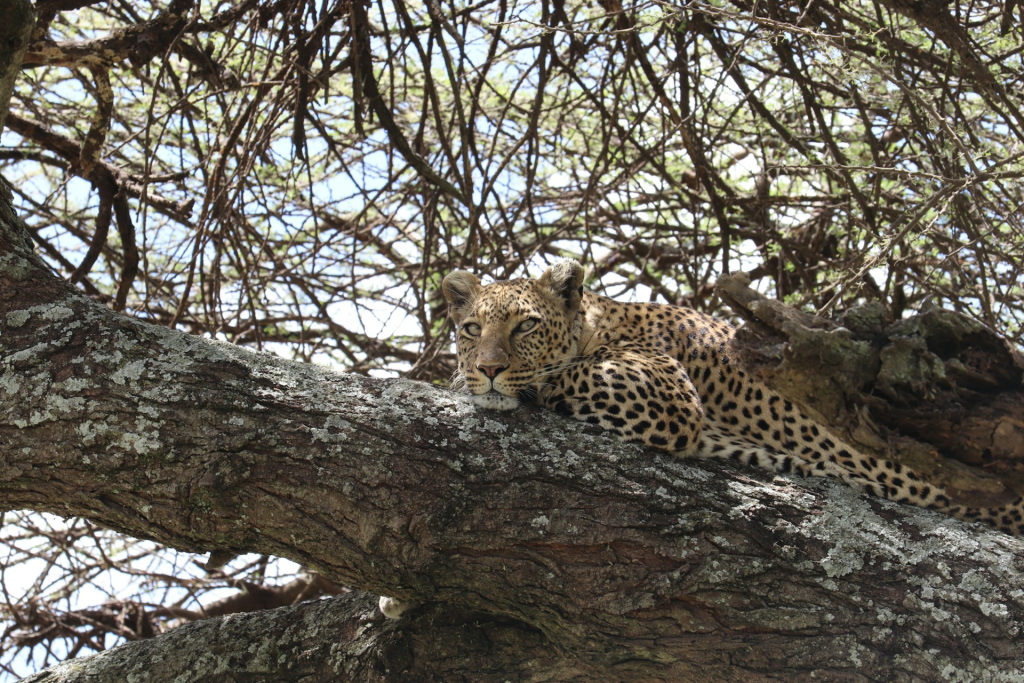
During the day, leopards spend most of their time resting. They usually hide in caves, thick trees, or on large rocks. Trees are especially important because they allow leopards to rest above ground and stay away from other predators. Visitors may see leopards lying on tree branches or resting in shaded areas during early morning or late afternoon.
Leopards in Serengeti National Park rely on their strength, climbing ability, and patience to survive. They are solitary animals and prefer to live and hunt alone. Because they are shy and avoid open areas, sightings are less common compared to lions and cheetahs.
Seeing leopards in Serengeti National Park is a special experience for many visitors. Their ability to remain hidden, hunt at night, and adapt to different environments makes them one of the most interesting predators in the park.


