

You can visit Serengeti National Park and Tanzania at any time of the year, but choosing the right month depends on your travel interests, comfort, and budget. Visiting Serengeti in March is possible and can be rewarding for travelers who understand what this period offers. March marks the beginning of the long wet season in northern Tanzania, which usually runs from March to mid June.
Serengeti in March is the first month of the main wet season. Because it is the start, rainfall is often lighter and less regular compared to later months such as April and May. Some days may have short rain showers, while other days may remain completely dry. Rain often falls in the afternoon or evening. This makes March different from the peak wet months, when rain is heavier and more constant.
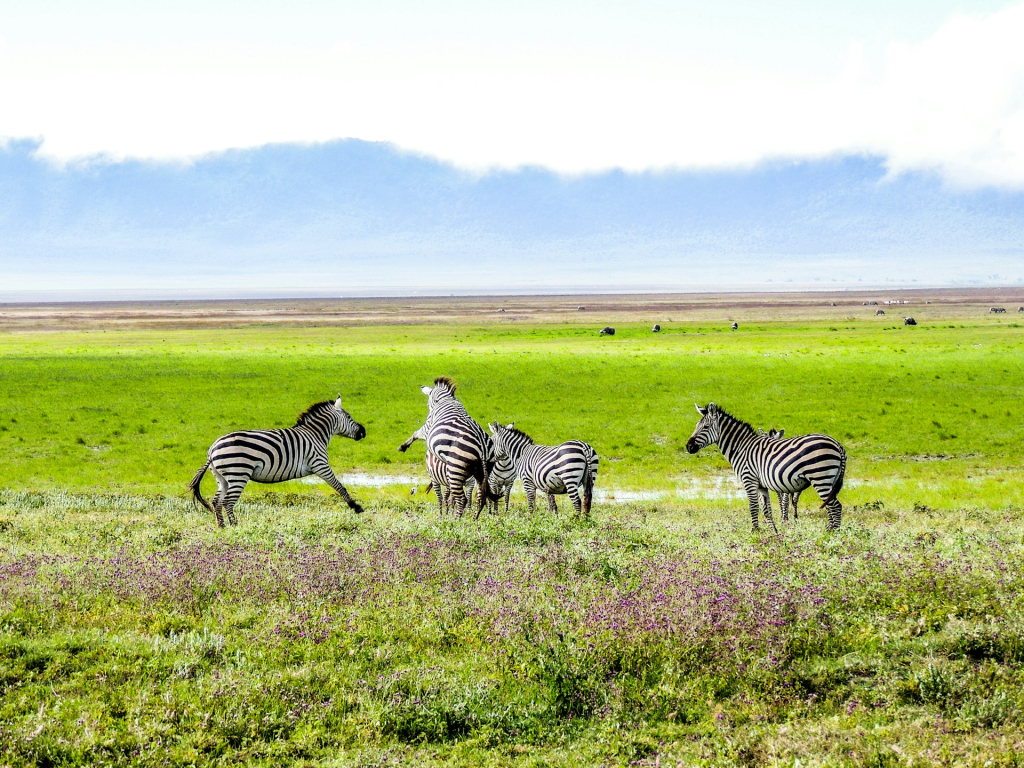
Wildlife viewing in Serengeti in March is still good in many areas. Animals remain active, and large numbers of wildlife are present across the park. Grazing animals such as wildebeests, zebras, and gazelles are commonly seen, especially in open plains where fresh grass begins to grow. Predators such as lions, cheetahs, leopards, and hyenas are still easy to find, as they follow prey animals. Because water is more available, animals may spread out more, which can sometimes make sightings less concentrated than in the dry season.
Travel conditions in Serengeti in March can change quickly. Some roads and tracks may become muddy after rain, especially in low lying areas. Driving can be slower, and guides may need to adjust routes depending on weather conditions. However, most main safari routes remain open during March, and experienced drivers know how to handle changing road conditions.
Some travelers do not choose Serengeti in March because they prefer dry weather and easier movement. Photography and filming can be more challenging due to clouds and rain. Even so, March has advantages that appeal to certain visitors. The park is quieter, with fewer safari vehicles. This allows for more private game drives and a calm safari experience.
Another benefit of visiting Serengeti in March is cost. Accommodation rates are often lower compared to peak dry season months. This makes March a good option for travelers who want to reduce costs while still enjoying a full safari experience.
It is always best to speak with your tour operator before booking a safari in March. They can advise on road conditions, best areas to visit, and suitable lodges during this time.
Packing correctly is very important when visiting Serengeti in March. Choose loose and comfortable clothing that works in both warm and cooler conditions. Avoid tight clothes. Since most lodges and camps provide laundry services, you do not need to pack too many items.
Recommended clothing includes light long trousers, shorts, T shirts, long sleeved shirts, underwear, cotton socks, sleepwear, sneakers, sandals, a light jacket or jumper, a scarf, a hat or cap, and swimming items. A light rain jacket is useful during this month.
Other important items include bank or ATM cards, some cash in small bills, sunglasses, mosquito repellent, insurance documents, hand sanitizers, wipes, sunscreen, lip balm, vaccination certificates if required, a copy of your safari itinerary, your passport, flight tickets, a torch or flashlight, and a camera with extra batteries and memory cards. Snacks and toiletries are also helpful.
A small medical kit is recommended. This should include basic first aid items and personal medicine. Always consult your doctor before travel and carry only what is advised.
With good planning and realistic expectations, visiting Serengeti in March can offer a quiet safari, fresh landscapes, and rewarding wildlife experiences.


