

Visiting Serengeti in January is a good choice for many travelers planning a safari in Tanzania. January falls within one of the dry season periods in Serengeti National Park. In most years, the short dry season has already settled by this time, making travel conditions easier compared to the wet months. Roads are mostly dry, and moving around the park is more comfortable.
Although Serengeti in January is part of the dry season, light rainfall can still happen. Tanzania is a tropical country, so rain is possible at any time of the year. When rain does fall in January, it is usually short and does not affect the whole day. Most days are warm, with clear skies and plenty of sunshine. Mornings and evenings are usually cooler, while afternoons can be warm.
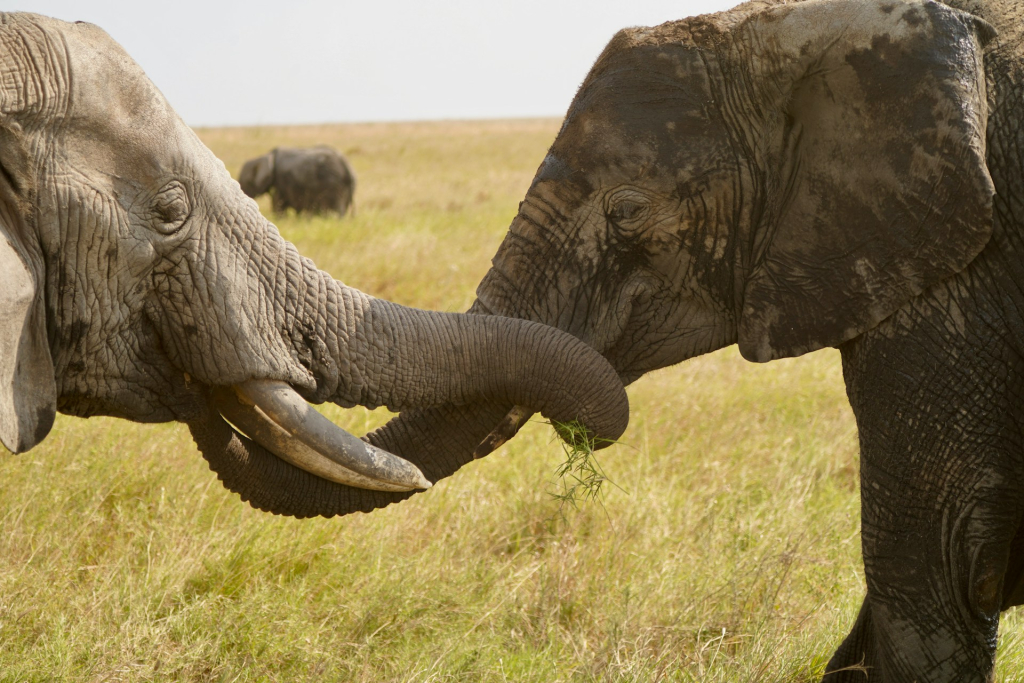
Wildlife viewing in Serengeti in January is very good. Grass is shorter than during the main wet season, which makes it easier to see animals. Many animals are active throughout the day, especially in the morning and late afternoon. Game drives during these times offer good chances to see lions, elephants, giraffes, zebras, antelope species, and many bird species.
January is also an important time in the Serengeti because it is part of the calving season period in the southern plains. Wildebeests begin gathering in large numbers, preparing for calving, which usually peaks from late January into February. This attracts predators such as lions, cheetahs, and hyenas, which follow the herds. Because of this, predator sightings can be frequent during this time.
Serengeti in January is a popular travel period, especially for travelers escaping winter in Europe and North America. Some parts of the park, especially central areas like Seronera, can be busy. Booking accommodation and flights early is recommended, as lodges and camps may fill up quickly.
It is always best to speak with your tour operator when planning a safari in January. They can help you choose the right areas to visit based on wildlife movement, your budget, and your travel style.
Packing correctly is important when visiting Serengeti in January. Choose loose and comfortable clothing to handle warm days and cooler mornings. Avoid tight clothes. Since most lodges and camps provide laundry services, there is no need to overpack.
Recommended clothing includes light long trousers, shorts, T shirts, long sleeved shirts, underwear, cotton socks, sleepwear, sneakers, sandals, a light jacket or jumper, a scarf, and a hat or cap. Swimming items can be useful at lodges with pools.
Other important items to pack include bank or ATM cards, some cash in small bills, sunglasses, mosquito repellent, insurance documents, hand sanitizers, wipes, sunscreen, lip balm, vaccination certificates if required, and a copy of your safari itinerary. Always carry your passport, flight tickets, and other travel documents.
You should also pack a torch or flashlight, a camera with extra batteries and memory cards, toiletries, and snacks if needed. A small medical kit is recommended. This can include basic first aid items and personal medicine. Always consult your doctor before travel and carry only what is advised.
With proper planning, visiting Serengeti in January offers good weather, strong wildlife viewing, and a rewarding safari experience.




