
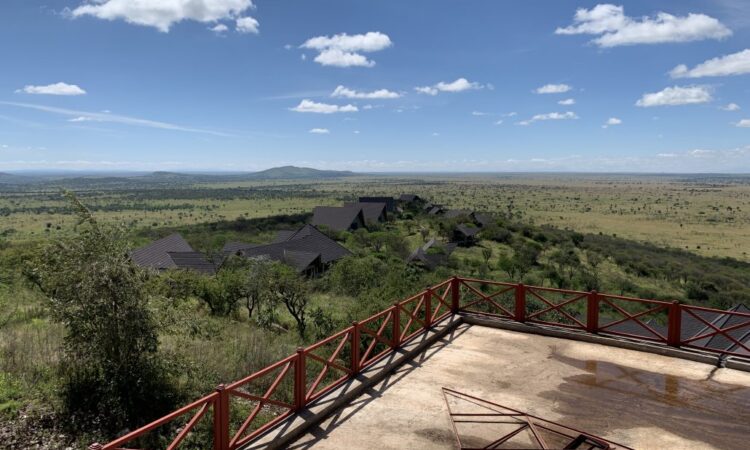
Makoma Hills are located within Serengeti National Park and are known as an important area for animals of prey. This region is often visited during game drives because it supports a high number of predators. Cheetahs, lions, and hyenas are commonly seen around Makoma Hills. These animals compete for prey because the hunting area is open and the territory is relatively small.
Makoma Hills are an open landscape, which makes it less suitable for leopards. Leopards prefer areas with thicker cover where they can hide easily. Because Makoma Hills lack dense cover, leopards are rarely seen here. The open nature of the land allows visitors to spot predators from a distance, making it a good area for wildlife viewing.
The hills themselves are covered with woodland vegetation. This type of environment supports many large animals that feed on trees and grass. Giraffes are often seen browsing on tree leaves around Makoma Hills. Elephants also move through the area as they search for food and water. Buffaloes are present as well, usually seen grazing or resting in groups.
Makoma Hills are located near the Thatch Kopjes. These kopjes are rock formations that rise above the plains and offer shelter and resting points for wildlife. Predators sometimes use the kopjes as lookout points while tracking prey. The presence of both woodland and open areas around Makoma Hills creates good conditions for different animal species.
Because of the number of predators and prey found here, Makoma Hills are often included in Serengeti safari routes. Visitors have a good chance of seeing hunting activity or interactions between predators, especially during early morning or late afternoon game drives.
Best Time to Visit Makoma Hills
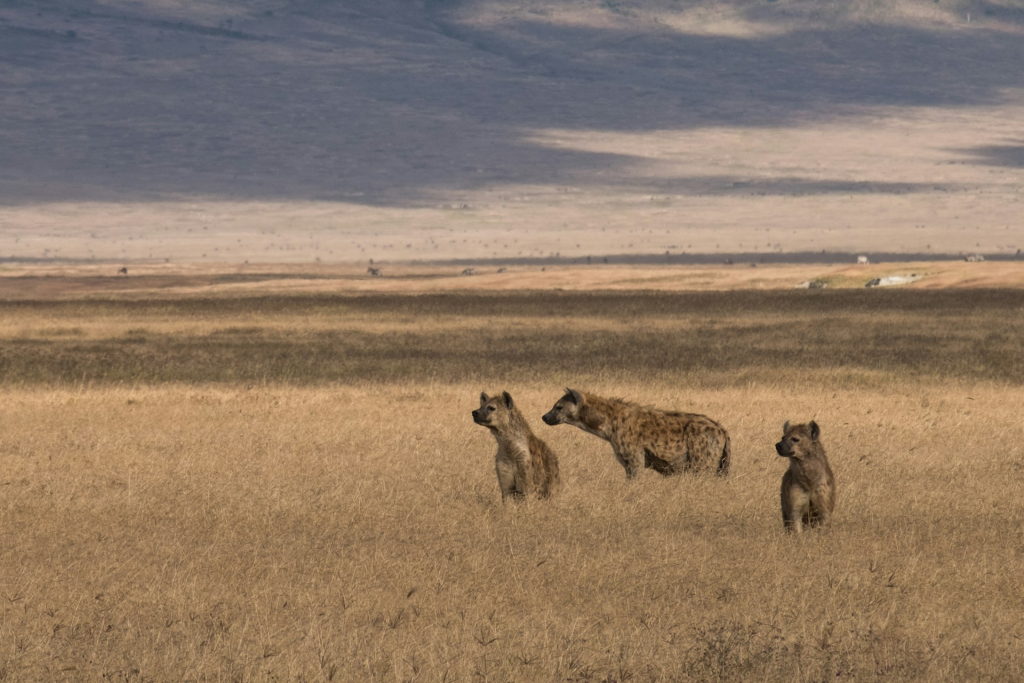
Serengeti National Park can be visited throughout the year, and Makoma Hills are accessible in all seasons. However, the dry months are usually recommended because the roads and trails are easier to drive on. Wildlife is also easier to see during this time, as animals gather around water sources.
The dry months in Serengeti National Park run from December to February and from mid June to September. These months are popular for safari activities. The remaining months are considered wet months. Visiting during the wet season is still possible, as rain does not fall all day and the area does not become flooded. Wildlife viewing remains good during this period.




