

The Lower Grumeti Woodlands are an important wildlife area within Serengeti National Park. This region supports many animals and plays a key role during seasonal wildlife movement. The mix of woodland cover and nearby water creates suitable conditions for both grazing and forest animals.
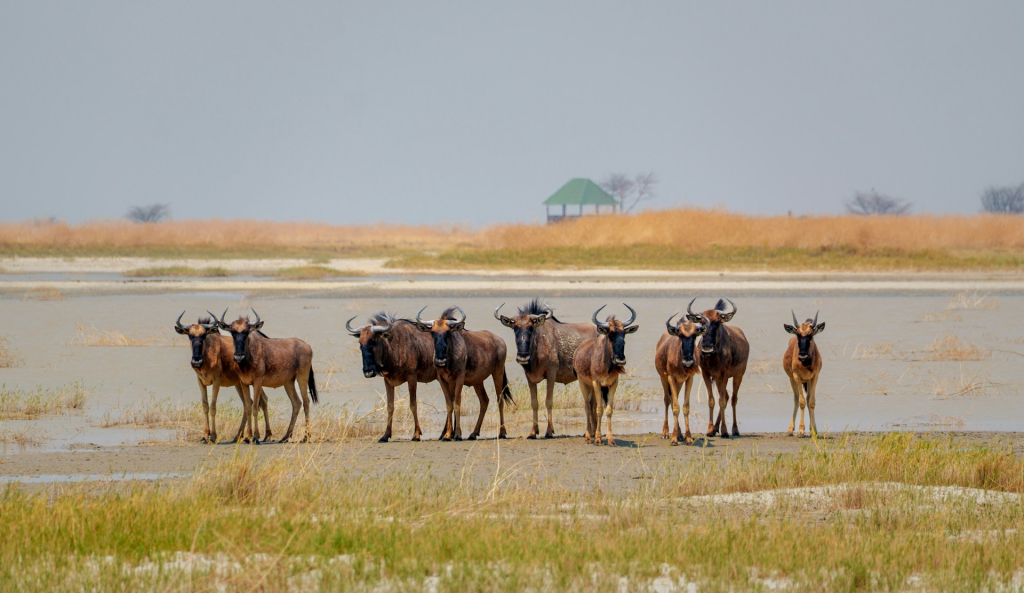
The Lower Grumeti Woodlands are home to large numbers of wildebeests. During their movement from Serengeti National Park toward the Masai Mara in Kenya, thousands of wildebeests pass through this area. As part of this journey, they must cross the Grumeti River. This crossing is one of the most watched moments during a Serengeti safari.
The Grumeti River is known for having large crocodiles. These crocodiles wait in the water as wildebeests approach the riverbanks. Many visitors are interested in watching how the animals manage to cross the river despite this danger. The crossings attract predators and increase wildlife activity in the area, making the Lower Grumeti Woodlands an important viewing location during the movement season.
The Lower Grumeti Woodlands are part of the larger Grumeti Wildlife Reserve. This reserve helps protect the woodland habitat and the animals that depend on it. The trees and thick plant cover provide shade, resting areas, and feeding grounds for wildlife moving through the region.
One of the special animals found in the Lower Grumeti Woodlands is the black and white colobus monkey. These monkeys live in the trees and move easily through the branches. They are often seen jumping from tree to tree and feeding on leaves. The presence of these monkeys adds to the wildlife variety of the area.
The Lower Grumeti Woodlands support both river and forest animals. Elephants, antelopes, and other wildlife also move through the woodlands while searching for food and water. The woodland cover gives animals a place to rest before or after river crossings.
For visitors exploring Serengeti National Park, the Lower Grumeti Woodlands offer a chance to see wildlife in a different setting from the open plains. The mix of trees, river crossings, and animal movement makes this area an important part of a Serengeti safari experience.




