
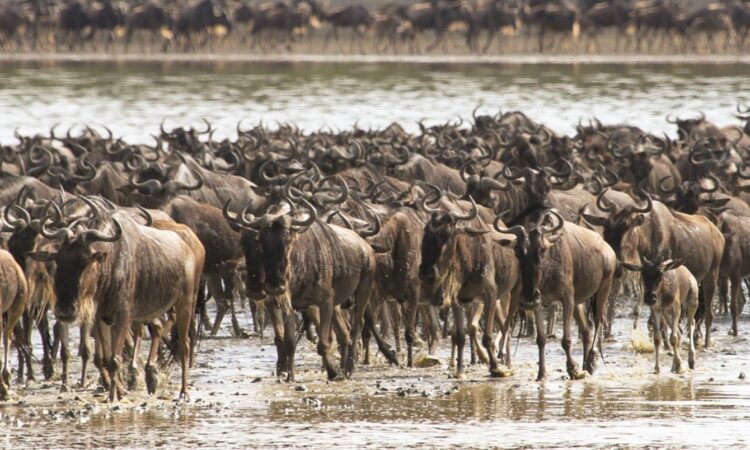
Lake Ndutu is located on the south eastern side of Serengeti National Park. It lies close to the Ngorongoro Conservation Area, making it an important link between these two protected areas. Lake Ndutu sits in open plains and offers wide views of the surrounding land. Because of its location and water supply, the area supports good wildlife viewing throughout the year.
Lake Ndutu is surrounded by acacia trees, which provide shade and food for many animals. These trees help attract wildlife to the lake area. The lake has been a popular destination for tourism since the 1960s. Over the years, it has drawn filmmakers, wildlife researchers, and documentary teams. Famous researchers such as Jane Goodall and Hugo van Lawick used Lake Ndutu as a base for much of their research work in the region.
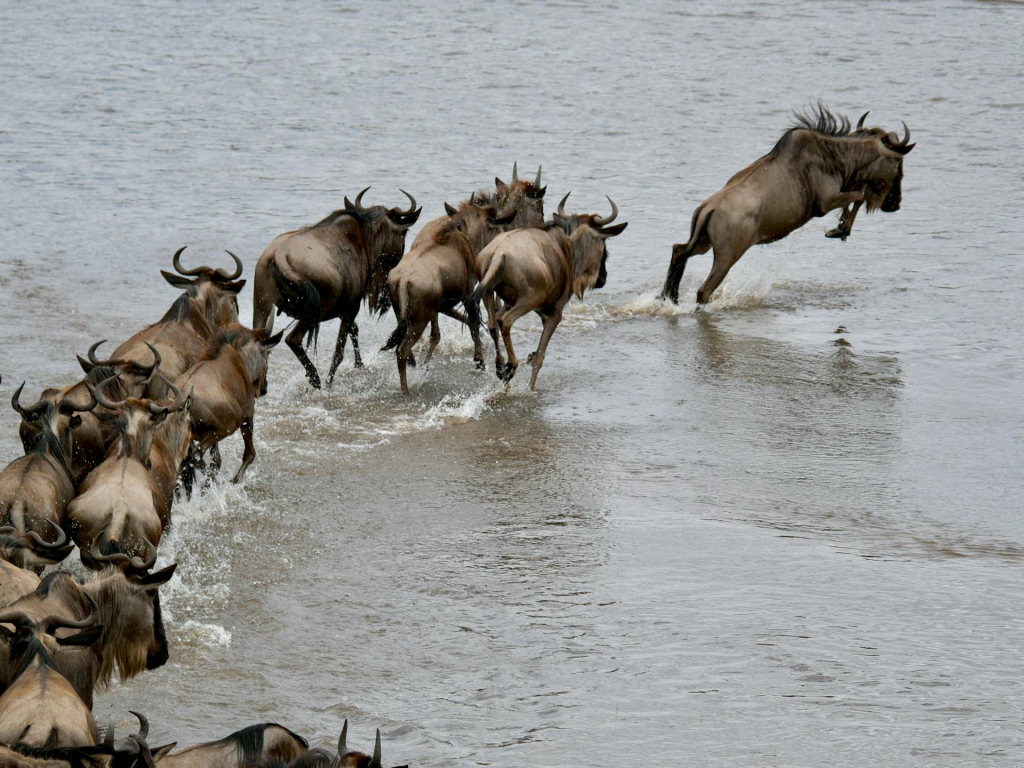
The lake has enough water and vegetation to attract many animals. Herbivores come to drink water and feed, while predators follow them to hunt. This makes Lake Ndutu an active wildlife area. There are also many bird species found around the lake, which makes it interesting for bird watchers. The lake sits in a bowl shaped depression that supports a complete ecosystem. Because of this natural setup, animals can stay in the area for long periods, making game viewing more reliable.
Lake Ndutu is a shallow lake and is also alkaline. It lies on the south eastern border of Serengeti National Park and near the Ngorongoro Conservation Area. Lake Ndutu shares the same water basin with Lake Masek, which is located on the eastern side of the Ngorongoro Conservation Area. During seasons of rain, water levels in both lakes may rise.
In 1973, archaeological research carried out on the shores of Lake Ndutu led to the discovery of mineral remains in the Ngorongoro Conservation Area. The research aimed to find remains believed to be more than 500,000 years old, showing the long history of human presence in this region.
Best Time to Visit Lake Ndutu
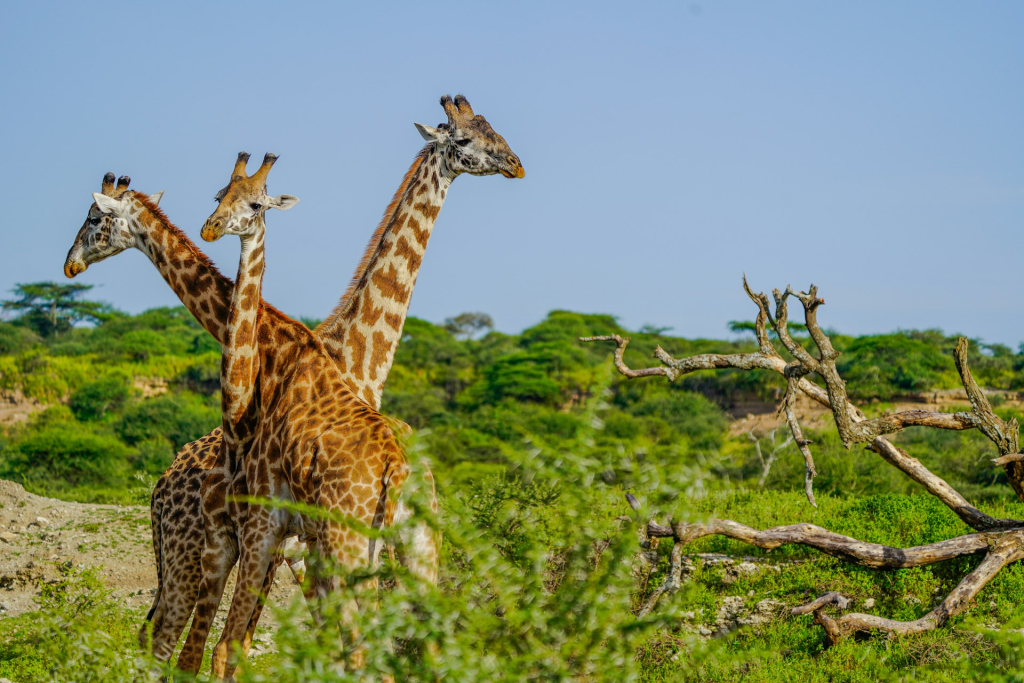
Lake Ndutu can be visited at any time of the year. However, weather conditions vary. The best time to visit is from December to February and from mid June to September. These are mostly dry months and are better for travel and wildlife viewing. The wet months are from March to mid June and from October to November. The dry months are also the busiest, so visitors who prefer fewer crowds may consider other times of the year.




