

Grumeti Hills are the highest hills in Serengeti National Park. They are located in the western part of the park and rise above the surrounding plains. Grumeti Hills are about two kilometers from the Grumeti River, which is one of the most important rivers in the Serengeti ecosystem.
The Grumeti River plays a major role during the wildebeest migration. Each year, large herds of wildebeests move through this area as they travel across western Serengeti. The river is known for its strong population of crocodiles. Many visitors come to watch how wildebeests cross the river and survive the crocodile attacks. This crossing is a key part of the migration.
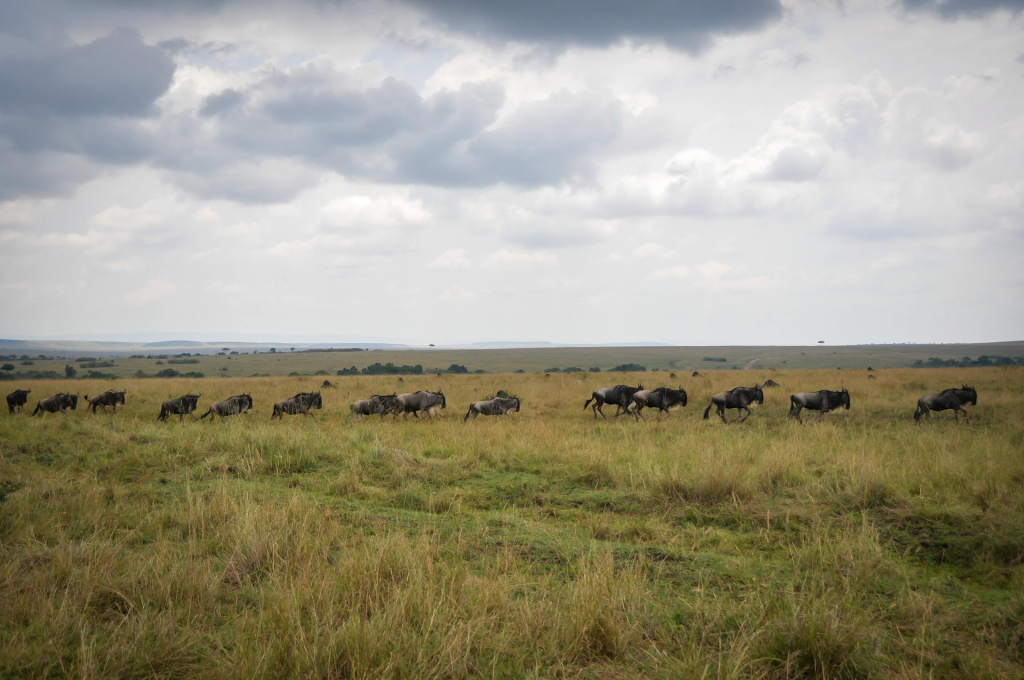
Wildebeests cross the Grumeti River twice during their migration cycle. The first crossing happens as they leave Serengeti National Park in search of water and grass. The second crossing takes place when they return to the Serengeti. Because of this movement, the Grumeti River and Grumeti Hills area stays active for a long period during the migration season.
Grumeti Hills are part of the Grumeti Wildlife Management Area. This area supports wildlife conservation and helps protect animal movement outside the main Serengeti National Park. The hills provide raised ground that allows animals and predators to observe the plains and river below. Predators such as lions often use higher ground to watch for prey moving toward the river.
The area around Grumeti Hills supports many animal species throughout the year. Apart from wildebeests, animals such as zebras, buffaloes, elephants, and antelopes are often seen nearby. The mix of hills, river, and open land makes the area good for wildlife viewing.
Best Time to Visit Grumeti Hills
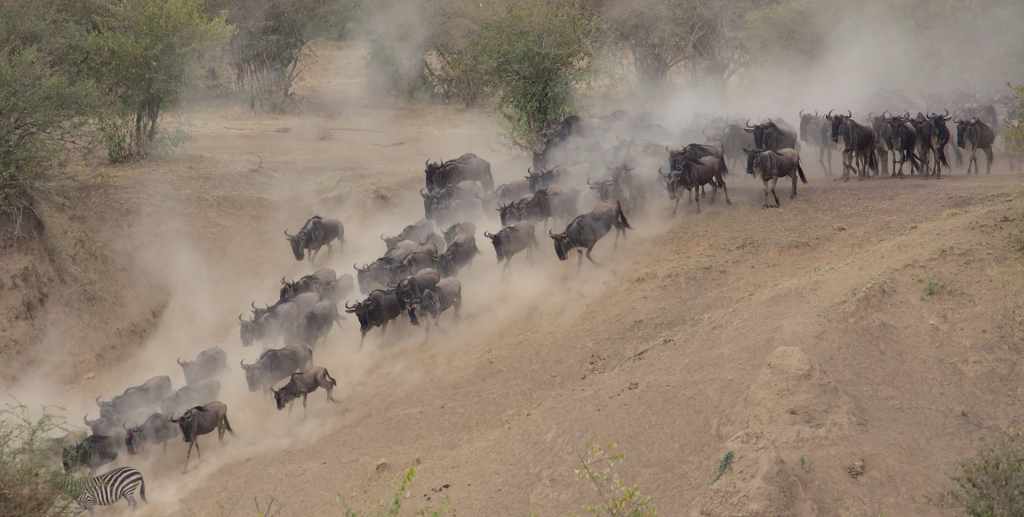
Grumeti Hills can be visited at any time of the year. Serengeti National Park is open throughout all seasons. However, the dry months are usually advised because roads and trails are easier to use. Wildlife viewing is also easier during this time as animals gather around water sources.
The dry months run from December to February and from mid June to September. These months are popular for safaris, especially during the migration period.
The wet months include March to mid June and October to November. Visiting during these months is still possible. Rain does not fall all day, and the area does not become flooded. Wildlife activity continues, and the landscape remains green.




