
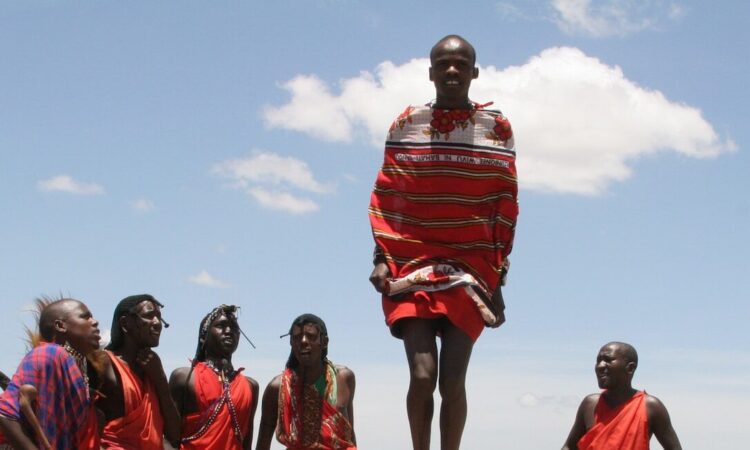
Adumu is the traditional dance of the Maasai. It is performed to celebrate young men coming of age. The dance involves jumping straight up and down without letting the heels touch the ground. Warriors form a circle, and one or two men enter the center and begin jumping. After some time, they return to the circle and others take their place.
The men standing in the circle sing and raise their voices higher as the jumper goes higher. Women, especially wives and girlfriends of the warriors, dress in detailed beadwork and take part in the celebration. Mothers of the warriors lead songs and praise their sons for their strength and courage.
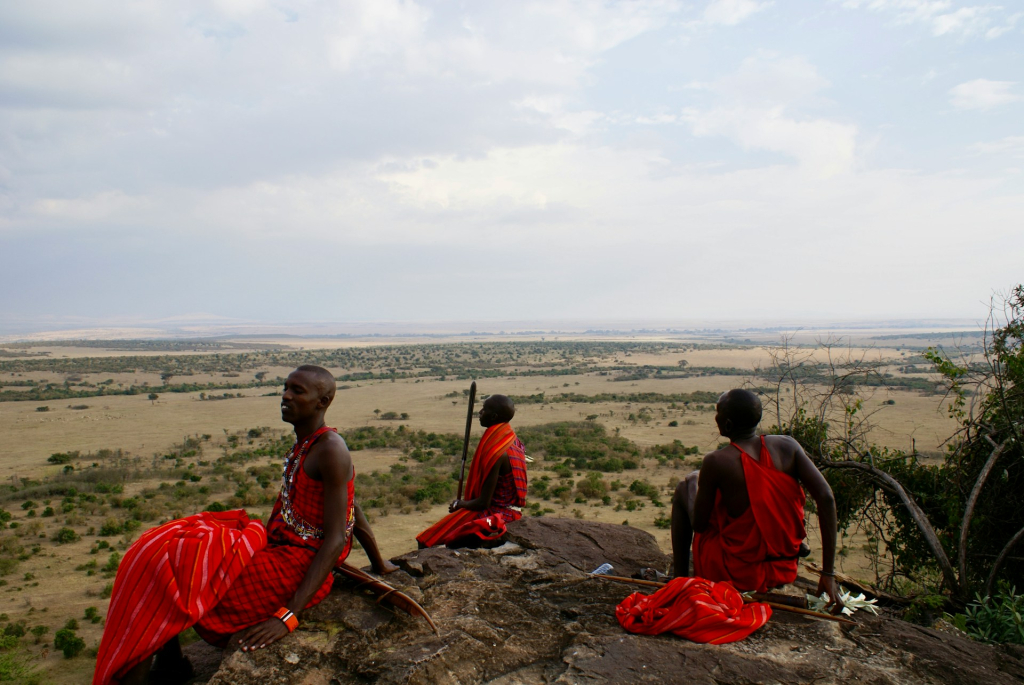
Adumu is part of a larger ceremony called Eunoto. Eunoto is a festival that lasts about ten days. During this time, young men complete rituals that mark their transition into adulthood. After Eunoto, they become senior warriors and are allowed to choose wives.
The Maasai are known for their strong culture and hospitality. Visitors to Serengeti National Park can visit Maasai communities to learn about their dances, clothing, food traditions, and way of life. These cultural visits help support local communities and keep Maasai traditions alive.
The Maasai Tribe and Culture in Serengeti National Park are closely linked to the history of the park. Before Serengeti National Park was gazetted, the Maasai people lived in this area and used it mainly as grazing land for their cattle. The name Serengeti comes from the Maasai word siringet, which means a place where the land runs on. This name describes the wide open plains found across the park.
In the early 1900s, Serengeti began to attract foreign visitors. The first American visitors arrived between 1913 and 1920. At that time, they came mainly for hunting. Later, hunting was stopped and the area was protected, leading to the creation of Serengeti National Park.
The Maasai Cultural Dances in Serengeti National Park
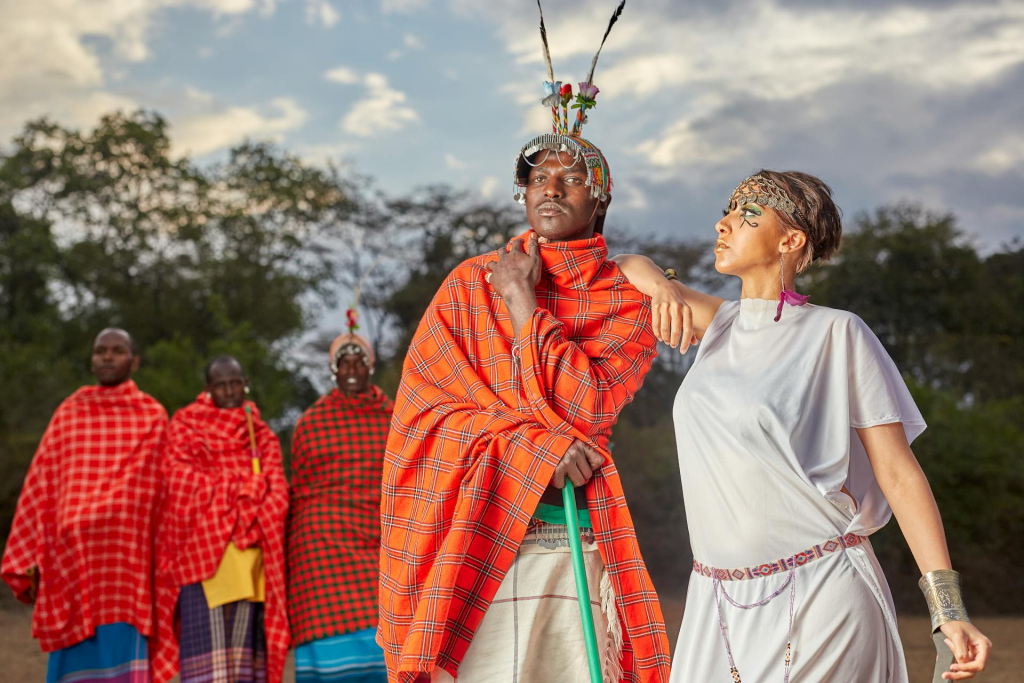
The Maasai are a pastoral community living in northern Tanzania and southern Kenya. For many years, their lives depended almost fully on cattle. Cattle influence their culture, food, wealth, and daily life. Maasai clothing is easy to recognize because of its bright colors and beadwork. Many Maasai live near the foothills of Mount Kilimanjaro, where grasslands support cattle grazing.
Maasai society is organized by age groups. Each group has specific duties. Men are mainly responsible for grazing and protecting cattle. Wealth is measured by the number of cattle owned. A man with more cattle is considered wealthier and may have more wives. The plains near Kilimanjaro provide good grass for livestock.




