
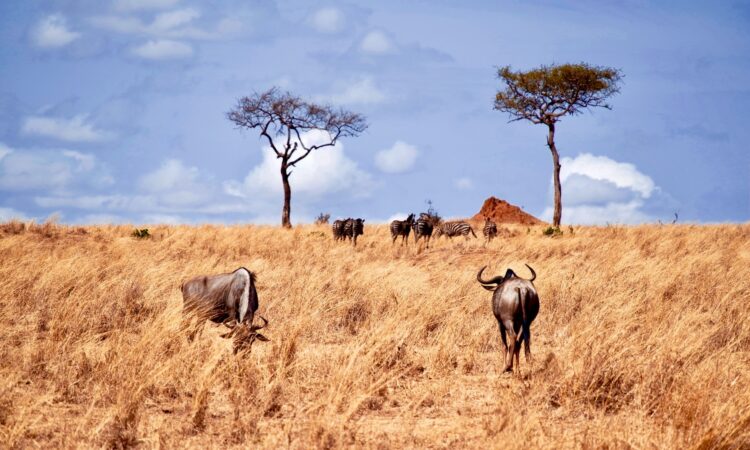
The Serengeti Triangle is a large open area made up mainly of wide plains within Serengeti National Park. These plains support many animals and play an important role in seasonal wildlife movement. The open land makes it easy for animals to move, feed, and rest during certain times of the year.
The Serengeti Triangle is especially active during the green season. At this time, many migratory animals move into the area. They come because the plains have short grass, which is important for calving. Short grass allows young animals to feed easily and gives clear views, making it harder for predators to hide. This makes the Serengeti Triangle a suitable place for animals to give birth.
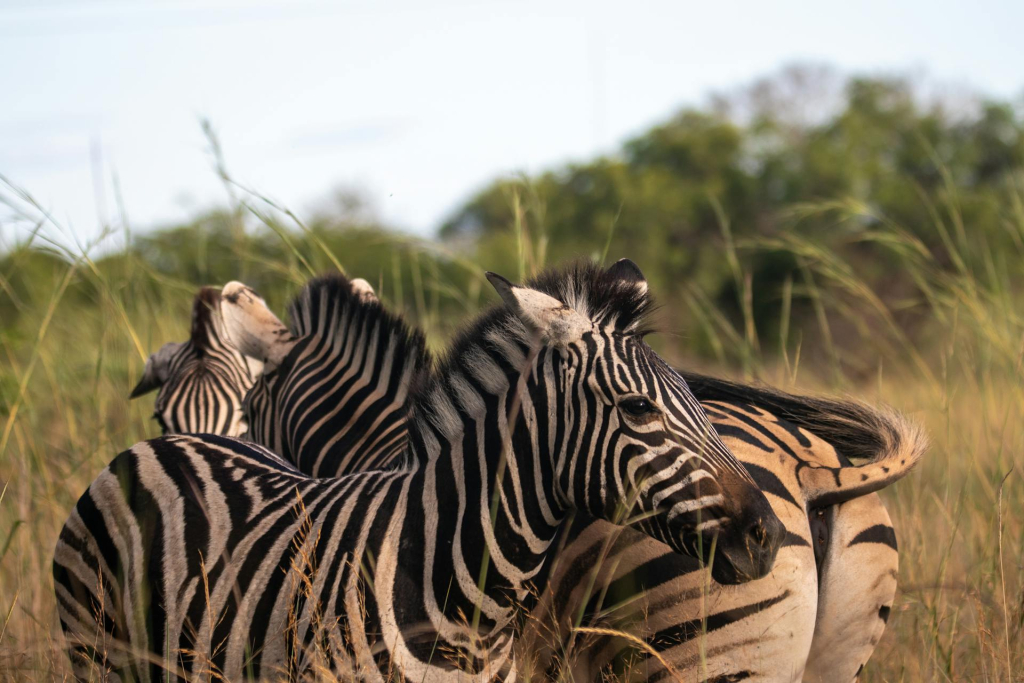
Large numbers of gazelles, zebras, and wildebeests are commonly found in the Serengeti Triangle during the green season. These animals arrive in groups and spread across the plains to feed and calve. The area becomes busy with movement as animals settle in for a short period before continuing their journey.
Despite the high number of animals, the Serengeti Triangle does not hold wildlife throughout the year. One of the main reasons is the lack of a permanent water source. While grass is available during the green season, water remains limited. Because of this, animals do not stay in the Serengeti Triangle for long. After feeding and calving, they move on in search of water in other parts of Serengeti National Park.
The movement of animals in and out of the Serengeti Triangle is part of a natural cycle. Animals follow the rains and the growth of grass, staying only as long as conditions allow. Once the grass begins to dry and water becomes scarce, the animals leave the area. This pattern repeats each year and helps balance grazing pressure across the park.
The Serengeti Triangle may seem quiet during the dry season, but during the green season it becomes an important area for wildlife activity. Its wide plains, short grass, and seasonal role make it a key part of the larger Serengeti ecosystem. Visitors who arrive at the right time can witness large groups of animals using the area before they continue their search for water elsewhere in the park.


