
The Kusini Plains are a special area found in Serengeti National Park. This region has a mix of grasslands and woodlands, which helps support many animals. The combination of open land and tree cover makes the Kusini Plains an important part of the park.
Because of the grasslands and woodlands, the Kusini Plains attract many types of wildlife. Animals that prefer open space share the area with those that need cover. Leopards are present in this region and are often found resting in trees during the day. Many bird species also live in the Kusini Plains, using the trees and open ground for feeding and nesting.
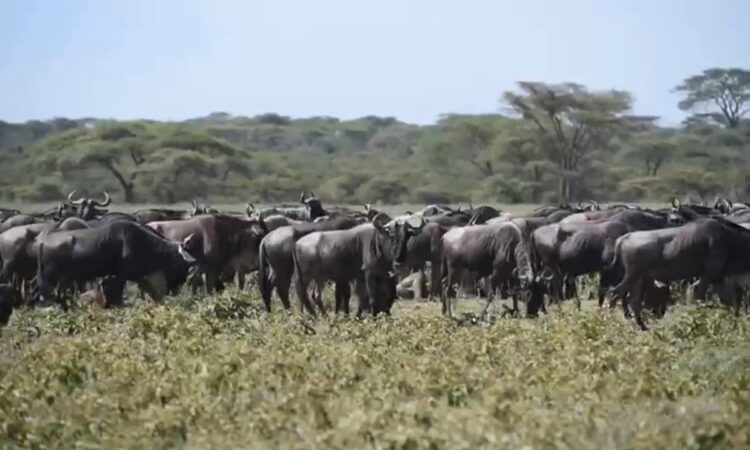
The Kusini Plains are also used by migratory animals. The mix of vegetation makes the area suitable for grazing and resting. During certain times of the year, animals move through the plains as part of their seasonal travel across Serengeti National Park. This movement increases wildlife activity and creates good viewing opportunities.
Large numbers of elephants and giraffes live in the Kusini Plains. Elephants move through the area while feeding on grass and tree bark. Giraffes browse on leaves from tall trees and often move in small groups across the plains. Their presence adds to the steady wildlife movement in the area.
The Kusini Plains are home to two notable lion prides. These lions use the open land for hunting and the trees for shade. The availability of prey animals keeps the lion prides active within this region. Lions are often seen resting or moving across the plains during early morning and late afternoon.
One of the main features of the Kusini Plains is a spot surrounded by acacia trees known as the Kusini Crater. This area provides shelter and attracts animals seeking shade and safety. The acacia trees support wildlife activity around the crater.
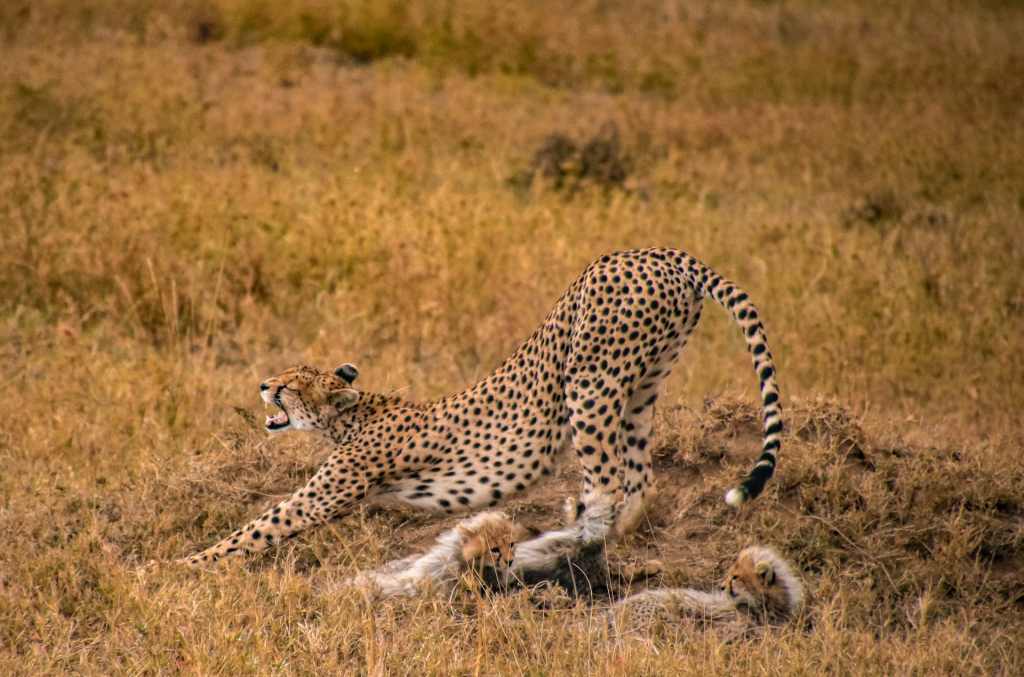
The Kusini Plains also have a high number of cheetahs. Cheetahs use the open ground to hunt, relying on speed and clear views to catch prey. The flat land of the Kusini Plains offers good conditions for this hunting style.
The Kusini Plains play an important role in Serengeti National Park by supporting wildlife through its mix of grassland and woodland. This balance makes the area valuable for both resident and migratory animals.




