

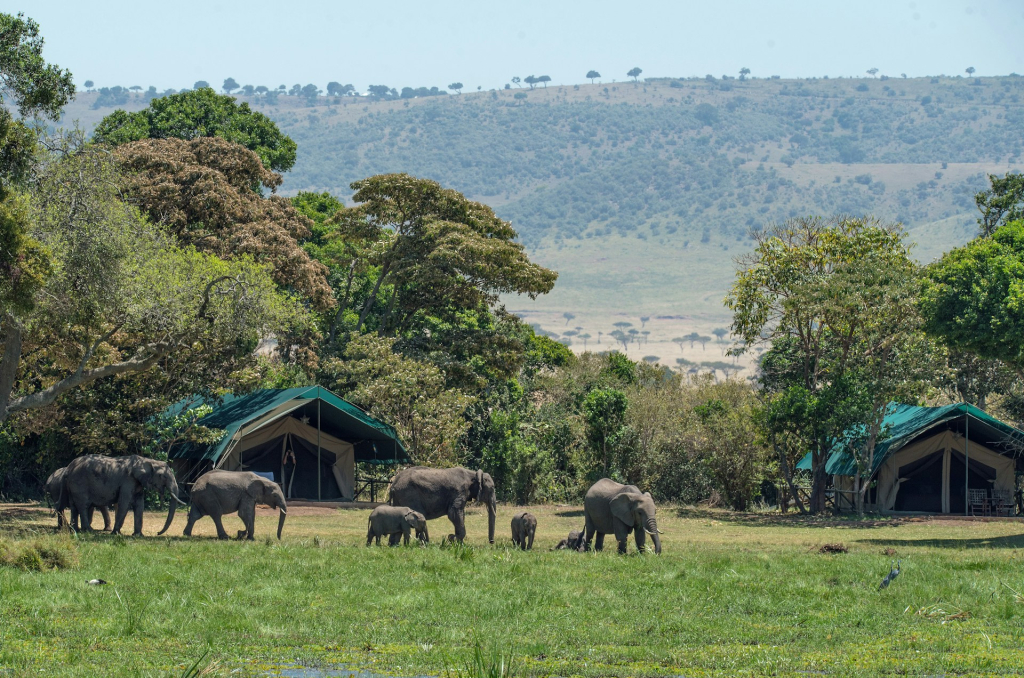
Staying safe while camping in Serengeti National Park is an important part of enjoying a true safari adventure. Camping is one of the most rewarding safari activities in Tanzania because it allows visitors to experience nature closely. You get fresh air, natural sounds, and open space, while also taking a break from screens and the digital world. With proper planning, camping can be both safe and enjoyable.
One of the key steps in staying safe while camping in Serengeti National Park is being aware of your surroundings. When setting up your tent, always inspect the area carefully. Avoid pitching your tent under large trees, as branches can fall and cause injury. Birds often sit in these trees, and their droppings may stain or damage your tent. Check how water flows in the area and avoid low ground, trenches, or ditches that can flood. Also look out for ants and ant hills before choosing a spot.
Having first aid equipment is essential when camping in Serengeti National Park. Small injuries such as insect bites, cuts, or blisters can happen easily. Medical facilities are often far away, so a basic first aid kit allows you to handle minor problems without needing to travel.
Wildlife awareness is another important part of staying safe while camping in Serengeti National Park. Use insect repellent to protect yourself from mosquitoes and flies. Most campsites have rangers who provide security, which helps reduce risk from wildlife. Even with this support, you should stay alert and follow all instructions given by guides and rangers.
Food and water planning is also very important. Always carry enough drinking water, especially if water sources are far from your campsite. Some camps provide water for washing and showers but not for drinking. Carry enough food to last your stay and store it properly as advised by your guide.
Weather conditions in Serengeti National Park can change quickly. Days can be hot, while nights may be cold. Rain can also occur without warning. Pack clothing suitable for both warm and cool conditions to stay comfortable and safe.
Finally, know what services are available at your campsite. Carry a map and understand where help can be found. Mobile network coverage may not be available in some areas. Charge your devices fully and use battery power carefully. It is also wise to have a basic evacuation plan in case of emergencies.
Staying safe while camping in Serengeti National Park comes down to awareness, preparation, and following guidance. With these steps, camping becomes a secure and memorable safari experience.


