
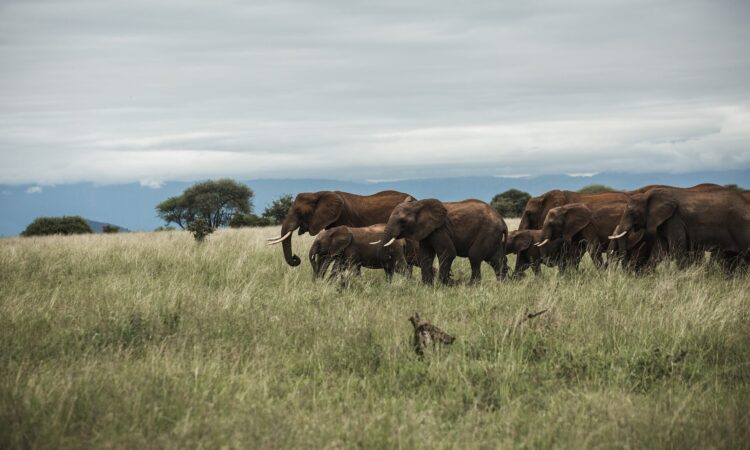
You can visit Serengeti National Park and Tanzania at any time of the year, but October offers a special balance for many travelers. Visiting Serengeti in October is suitable for people who want fewer crowds, flexible prices, and good wildlife viewing before the heavier rains begin. Understanding what October is like helps you plan a comfortable and enjoyable safari.
October marks the start of the short wet season in Serengeti National Park. It is a transition month between the long dry season and the wetter months that follow. Rainfall in October is usually light and unpredictable. Some days may remain completely dry, while others may have short showers, often in the afternoon or evening. Because the rain is still limited, most roads remain open, and game drives are still possible in many areas.
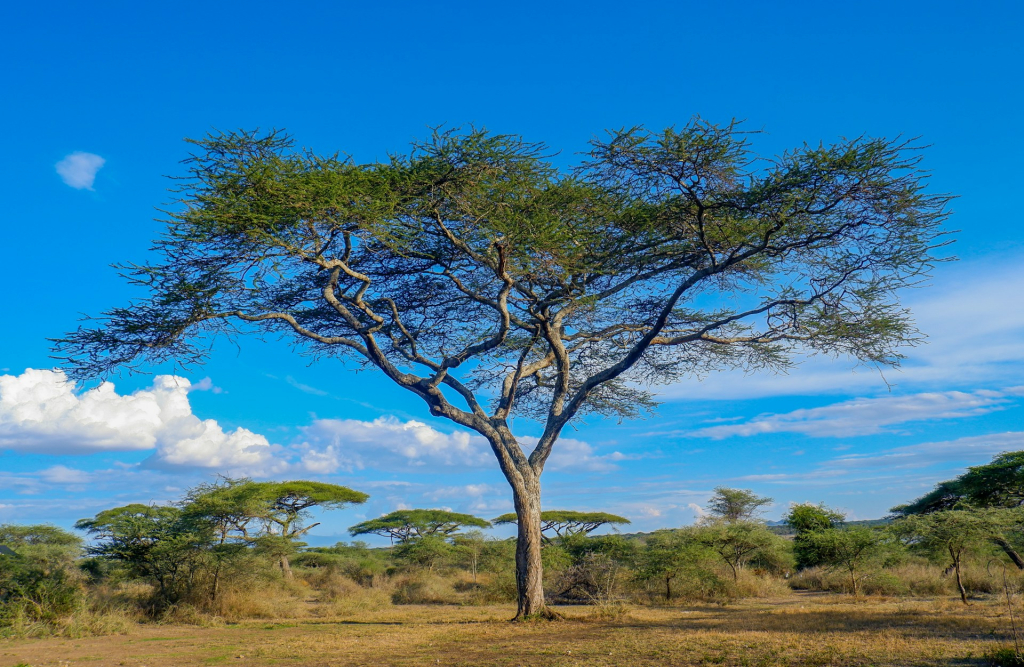
Wildlife viewing in Serengeti during October remains good. Grass is still short in many places, which makes animals easier to spot. Many animals continue to gather near water sources, especially rivers and permanent pools. Predators such as lions, leopards, cheetahs, and hyenas are active, and sightings are common during morning and late afternoon game drives.
October is also a good month for travelers who want a quieter safari. Visitor numbers drop compared to the busy months of July, August, and September. This means fewer vehicles at sightings and a more relaxed pace during game drives. Some lodges and camps may offer better availability or more flexible rates during this period.
Temperatures in October are generally warm. Days can be hot, especially in the afternoon, while mornings and evenings are cooler. Humidity starts to increase slightly, but it is still comfortable for most travelers. Light rain helps reduce dust, which can improve air quality and make the landscape look fresher.
Packing correctly is important when visiting Serengeti in October. Clothing should be light, loose, and easy to layer. Loose clothes help you stay comfortable during warm days and cooler mornings. Avoid overpacking, since most lodges and camps provide laundry services.
Recommended clothing items include light long trousers, shorts, T shirts, long sleeved shirts, underwear, cotton socks, sleepwear, a light jacket or jumper, a scarf, a hat or cap, sneakers, sandals, and swimming items. Heavy clothing is not needed, but a light rain jacket can be useful.
Other important items to pack include bank cards, some cash in small bills, sunglasses, mosquito repellent, sunscreen, lip balm, insurance documents, hand sanitizers, wipes, vaccination certificates if required, a copy of your safari itinerary, a passport, flight tickets, a torch or flashlight, and a camera with extra batteries and memory cards. Toiletries and snacks are also useful.
A small medical kit is recommended. This should include basic first aid items and personal medicine. Always consult your doctor before travel and carry only what is advised.
Visiting Serengeti National Park in October offers a quieter safari, good wildlife viewing, and flexible travel conditions. With the right planning and packing, October can be a rewarding time to explore the Serengeti.




