

Visiting Serengeti in February is a good option for travelers who want a mix of dry weather, active wildlife, and slightly calmer conditions before the main wet season begins. February is still part of the dry season in Serengeti National Park, although nature can change from year to year. In some years, light rains may begin to appear toward the middle or end of February and may slowly increase as March approaches. This does not mean that the dry season ends suddenly.
Most days in Serengeti in February are warm and dry. Mornings are often clear and cool, which makes early game drives comfortable. As the day progresses, temperatures rise, and afternoons can feel warm. Evenings are usually pleasant and cooler. When rain does occur, it is often light and short. In many cases, it falls later in the afternoon or evening, allowing visitors to enjoy morning and midday activities without disruption.
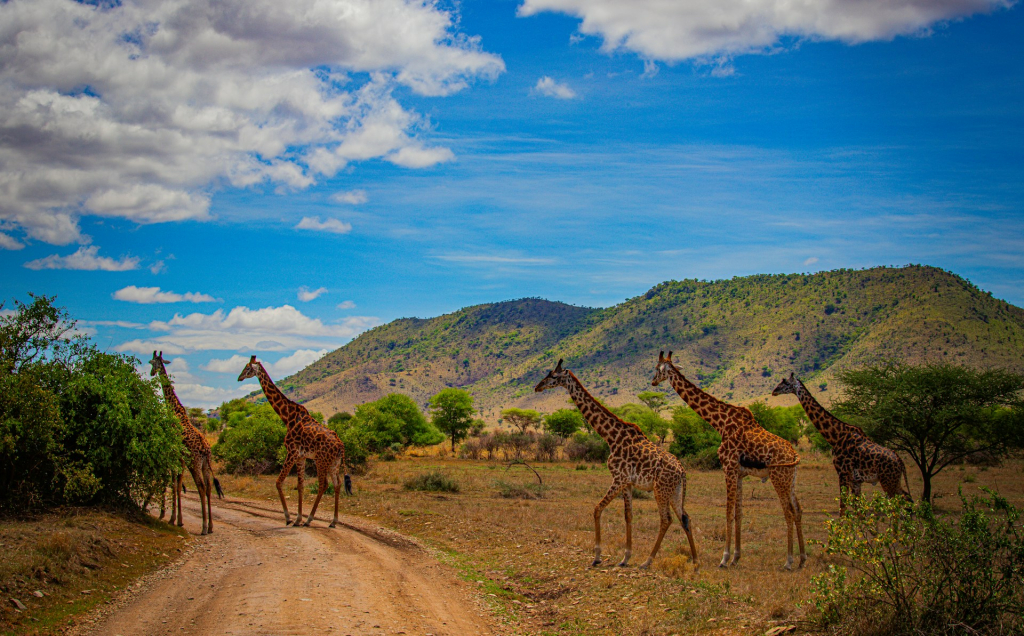
For travelers who do not enjoy very strong heat or heavy rain, Serengeti in February can be a comfortable time to visit. The occasional showers help reduce dust on the roads and in the air. This can improve comfort during game drives and reduce dryness. Roads are generally in good condition, although weather can change quickly, and some areas may become slightly slippery after rain.
Wildlife viewing in Serengeti in February is very good. Animals remain active, and many species gather near water sources. February is also part of the calving season in the southern Serengeti plains. Wildebeests gather in large numbers, and many calves are born during this period. This attracts predators such as lions, cheetahs, and hyenas, which increases the chances of seeing hunting behavior. Birdlife is also strong at this time, with many species active across the park.
Visitor numbers in February are usually moderate. The park is not as busy as during peak dry months later in the year. This allows for a more relaxed safari experience with fewer vehicles at wildlife sightings. Accommodation may also be easier to find compared to peak season months.
It is always best to speak with your tour operator before booking a February safari. They can help you choose the right areas to visit based on wildlife movement, road conditions, and your budget.
Packing well is important when visiting Serengeti in February. Choose loose and comfortable clothing to manage warm days and cooler mornings. Avoid tight clothes. Most lodges and camps provide laundry services, so you do not need to pack many items.
Recommended clothing includes light long trousers, shorts, T shirts, long sleeved shirts, underwear, cotton socks, sleepwear, sneakers, sandals, a light jacket or jumper, a scarf, and a hat or cap. Swimming items can be useful at lodges with pools.
Other important items include bank or ATM cards, some cash in small bills, sunglasses, mosquito repellent, insurance documents, hand sanitizers, wipes, sunscreen, lip balm, vaccination certificates if required, and a copy of your safari itinerary. Always carry your passport, flight tickets, and travel documents.
You should also pack a torch or flashlight, a camera with extra batteries and memory cards, toiletries, snacks if needed, and a small medical kit. The medical kit should include basic first aid items and personal medicine. Always consult your doctor before travel and carry only what is advised.
With good planning and preparation, visiting Serengeti in February offers a comfortable safari, strong wildlife activity, and a rewarding travel experience.




