
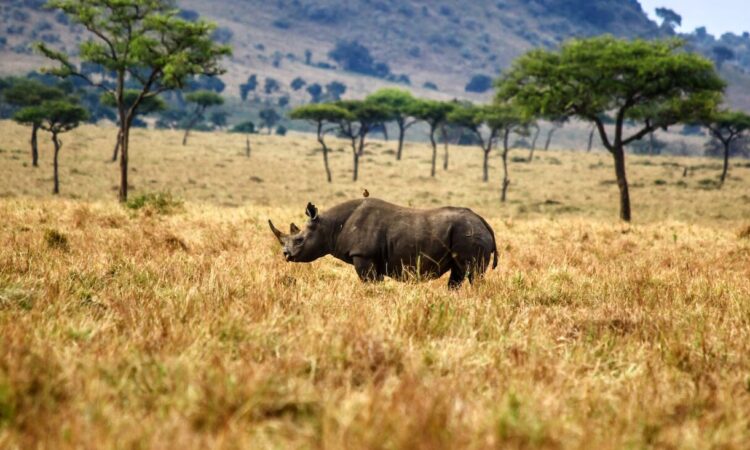
Black rhinos in Serengeti National Park are one of the most endangered animals in Africa. For many years, these rhinos were heavily hunted because of their horns. Poaching pushed them close to extinction, not only in the Serengeti but across Tanzania and other parts of Africa.
Serengeti National Park is one of the few protected places in Tanzania where black rhinos can still be seen today. Strong conservation efforts have helped keep this species alive. In the past, poaching was a major threat, but by the 1980s, poaching was made a serious crime in Tanzania. After this change, the number of black rhinos slowly began to increase.
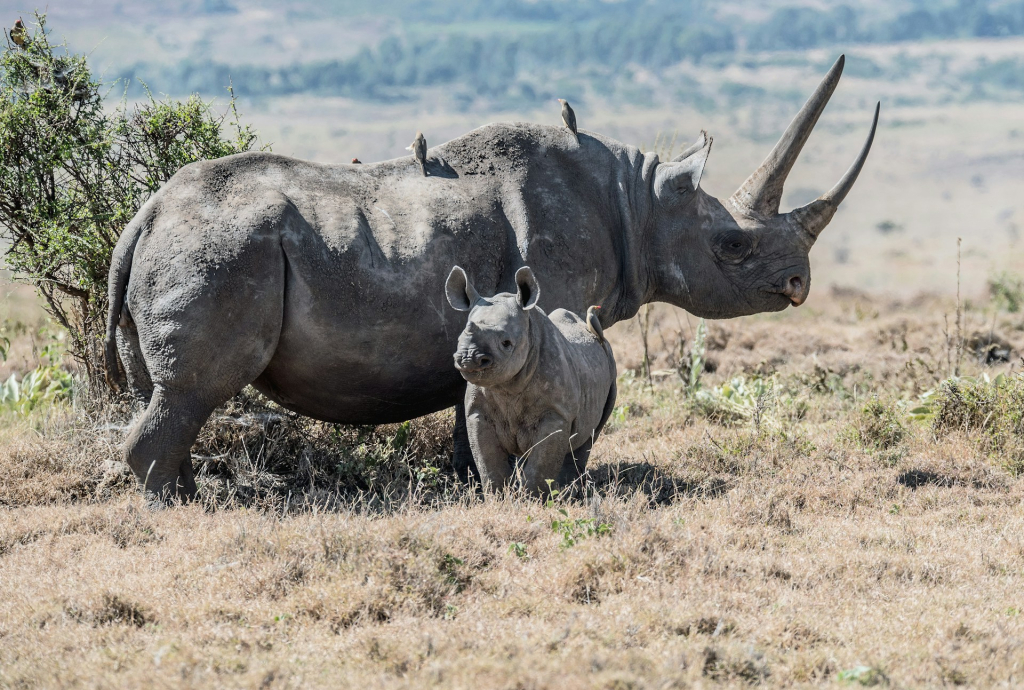
Black rhinos in Serengeti National Park are now under strict protection. Park authorities monitor them day and night. Rangers track their movements and guard their locations to reduce the risk of illegal hunting. Because of this close protection, the population has shown small but important growth.
By the year 2004, records showed that the number of black rhinos in Serengeti National Park had reached 17 individuals. This was a positive sign after many years of decline. Another important area where black rhinos can be seen is the Moru Kopjes. This area is part of the Serengeti ecosystem and provides a safe home for these animals. According to the 2004 census, Moru Kopjes was home to about 12 black rhinos.
Black rhinos prefer areas with rocks, bushes, and water sources. These features help them hide and find food. Even with protection, black rhinos remain highly endangered. Their population is still very small, and any loss is serious.
Seeing black rhinos in Serengeti National Park is rare and special. Visitors who are lucky enough to spot them often see them from a distance to avoid stress or danger. Tourism also helps conservation because park fees support protection programs.
Black rhinos in Serengeti National Park remain a symbol of wildlife protection. Continued monitoring, strict laws, and responsible tourism are key to ensuring that these animals survive for future generations.




