
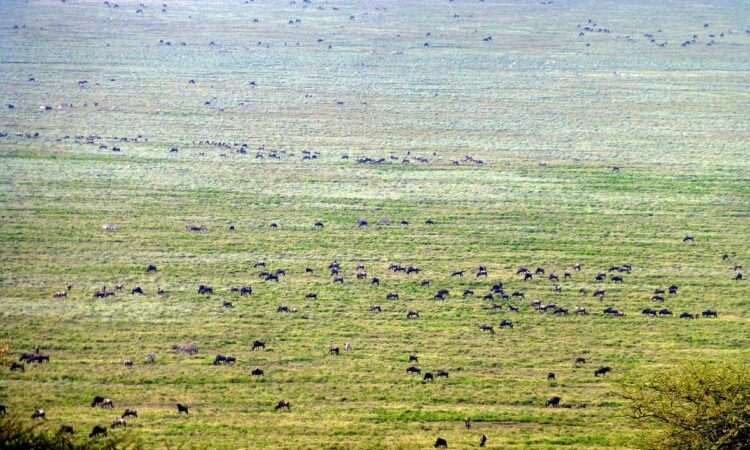
Naabi Hills are located in the short grass plains of Serengeti National Park in Tanzania. The hills sit in an open area of the park, which makes them easy to reach during game drives. Naabi Hills are well known as one of the main launch points for hot air balloon safaris in Serengeti National Park. Many visitors begin their balloon flights from this area early in the morning.
From the top of Naabi Hills, visitors can enjoy wide views of the surrounding plains. Because the grass in this area is short, wildlife can be seen clearly from a distance. This makes Naabi Hills a good place for photography and wildlife viewing. The open land around the hills allows clear sightlines across large sections of the Serengeti plains.
At the base of Naabi Hills, large herds of animals are commonly seen. Elephants, antelopes, and giraffes often move through this area while feeding. The presence of these animals attracts lions, and large prides are known to hunt in this region. Visitors may see lions resting on the plains or following prey near the hills. This makes the area active for wildlife viewing during many times of the year.
Naabi Hills are also located along one of the main routes used during the wildebeest migration. As the herds move across the Serengeti, they often pass through this area while searching for fresh grass and water. During migration months, the number of animals around Naabi Hills increases, making it an important stop on a Serengeti safari.
Best Time to Visit Naabi Hills
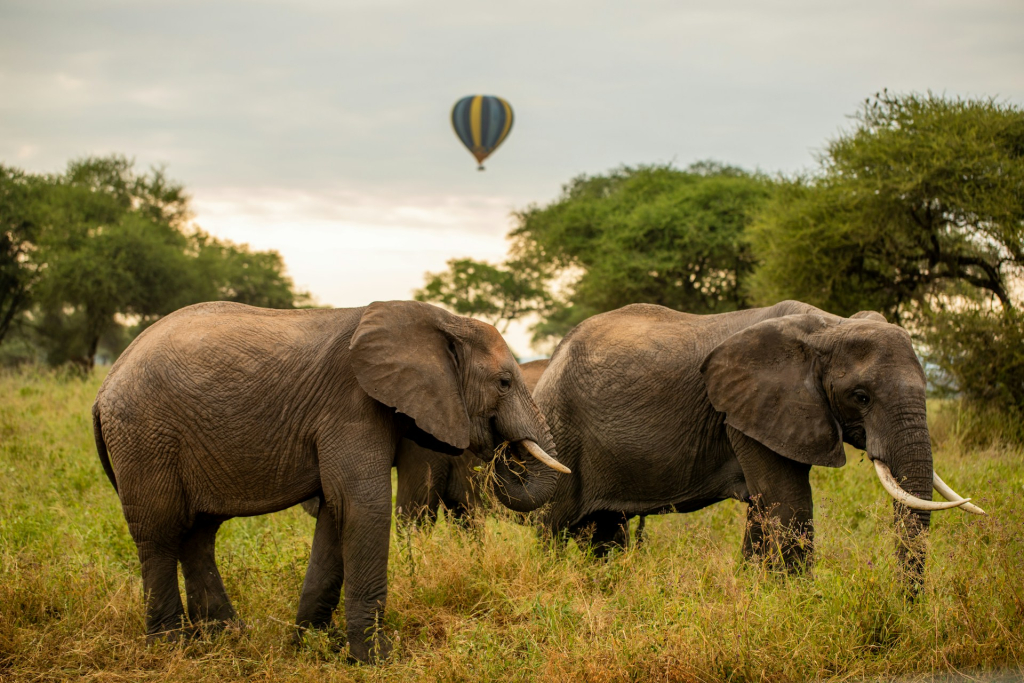
Serengeti National Park can be visited throughout the year, and Naabi Hills are accessible in all seasons. However, visiting during the dry months is often advised because the roads and trails are easier to drive on. Wildlife is also easier to spot during this time due to shorter grass.
The dry months in Serengeti National Park run from December to February and from mid June to September. These months are popular for game drives and balloon safaris. The wet months cover the rest of the year. Visiting during the wet season is still possible, as rain does not fall all day and the area does not become flooded. Wildlife viewing remains good, and fewer visitors may be present during this period.




