
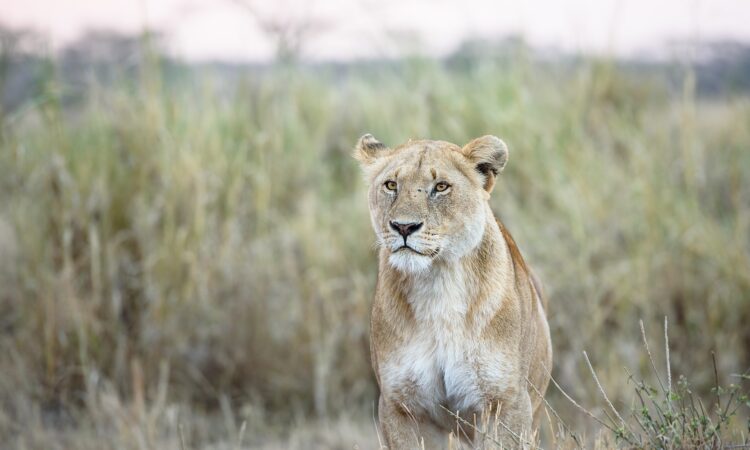
Lions in Serengeti National Park have played a major role in the history of wildlife conservation in Tanzania. In the 1960s, British authorities noticed a strong decline in the number of lions in the Serengeti area. This decline raised serious concern about the future of lions and other wild animals living in the region. As a result, the decision was made to protect the area to allow wildlife populations to recover.
During this period, Serengeti was officially designated as a protected area. This action helped safeguard lions and many other animal species from further decline. The creation of Serengeti National Park also led to the relocation of the Maasai ethnic group. The Maasai were moved and resettled around the Ngorongoro Conservation Area. This change allowed Serengeti to become fully protected for wildlife.
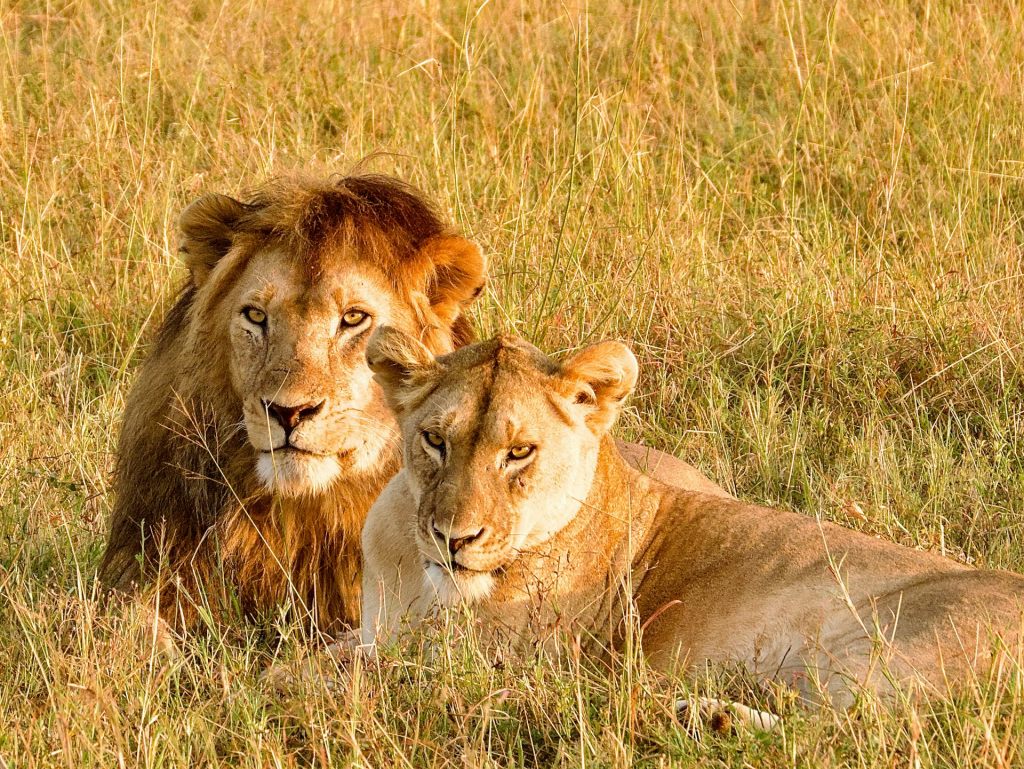
Serengeti National Park became the first and oldest national park in Tanzania. Its establishment marked the beginning of organized wildlife conservation in the country. It also opened the door for tourism in Tanzania. As tourism developed, more resources were directed toward protecting wildlife. These efforts helped improve the population of lions and other animals over time.
Lions in Serengeti National Park live in large prides and depend on the wide grasslands and open areas for hunting. The park provides enough space and prey to support a healthy lion population. Because of protection and monitoring, Serengeti is now one of the best places in Africa to see lions in their natural habitat.
However, lions still face challenges. In areas around the park, local communities graze their livestock. Sometimes lions attack cattle, which leads to conflict between people and wildlife. In response, some lions have been killed by locals trying to protect their animals. These conflicts have remained a concern over the years.
Conservation authorities continue to work with local communities to reduce these conflicts. Efforts include education, improved livestock protection, and compensation programs. These measures aim to protect both lions and the livelihoods of local people.
Today, Serengeti National Park is known for having one of the largest lion populations in Africa. The protection that began in the 1960s has played a key role in keeping lions in the Serengeti and ensuring they remain an important part of Tanzania’s wildlife heritage.


