
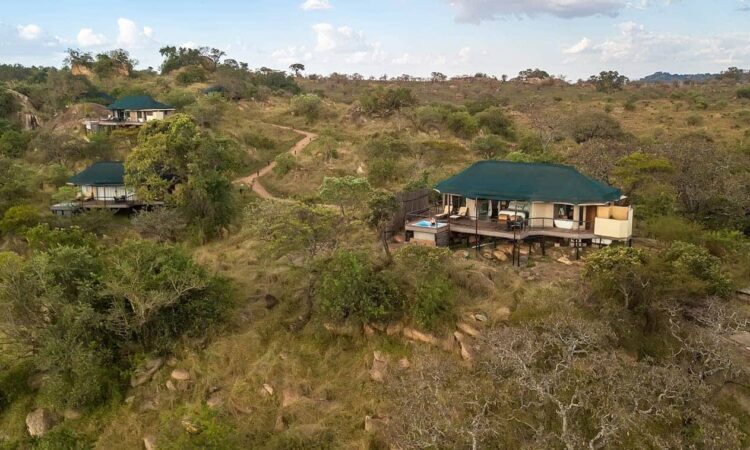
Kuria Hills are located in the northern sector of the Ngorongoro Conservation Area, close to the Wogakuria Hills. This area lies near the northern edge of the Serengeti ecosystem and is an important part of the wider wildlife region. Kuria Hills are covered with woodland vegetation, which supports both wildlife and water sources in the surrounding area.
The hills act as a natural water catchment for nearby plains. Because of this, animals are often found moving between the hills and the open areas around them. The presence of water and trees makes Kuria Hills an important resting and feeding area for wildlife. Animals use the woodland for shade during hot hours of the day.
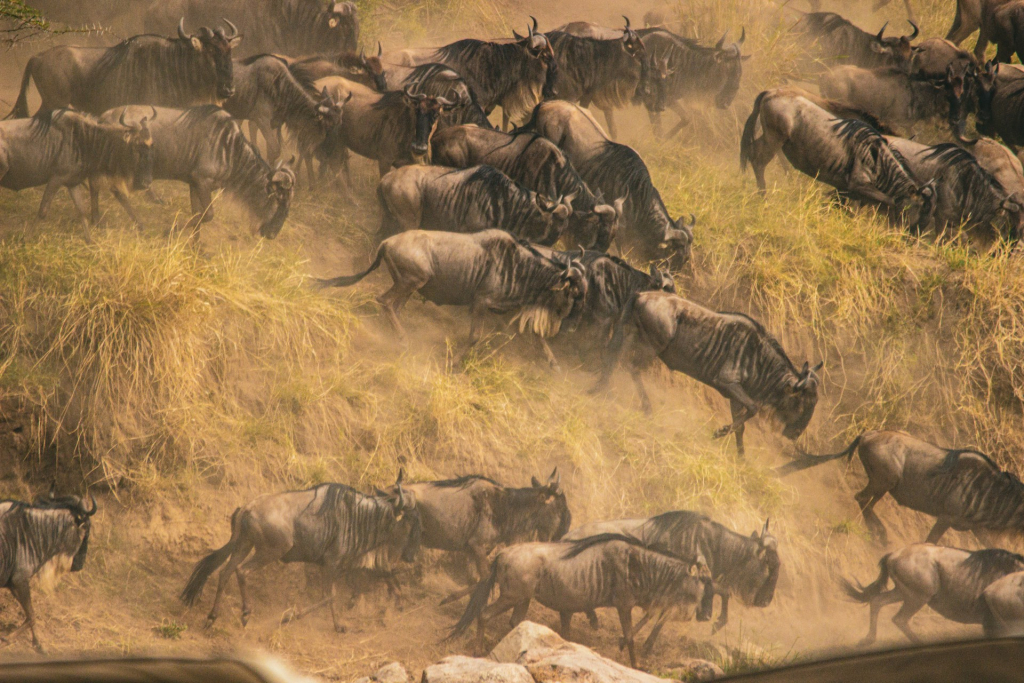
Kuria Hills are located close to the Kenya Tanzania border and are within a short distance of the Maasai Mara in Kenya. This location places the hills along wildlife movement routes between northern Serengeti and Maasai Mara. The hills are also only about 15 minutes drive from Kogatende Airstrip. This makes access easy for visitors arriving by small aircraft.
There are several lodges and camps near Kuria Hills. These accommodation options allow visitors to stay close to nature while enjoying clear views of the Serengeti plains. Many lodges are positioned on raised ground, offering wide views across the surrounding landscape. Staying near Kuria Hills gives visitors a calm setting with good access to game drive areas.
The area around Kuria Hills is less busy compared to central Serengeti. This allows for quieter game drives and more relaxed wildlife viewing. Visitors may see animals moving between woodland and open plains, especially during early morning and late afternoon.
Best Time to Visit Kuria Hills
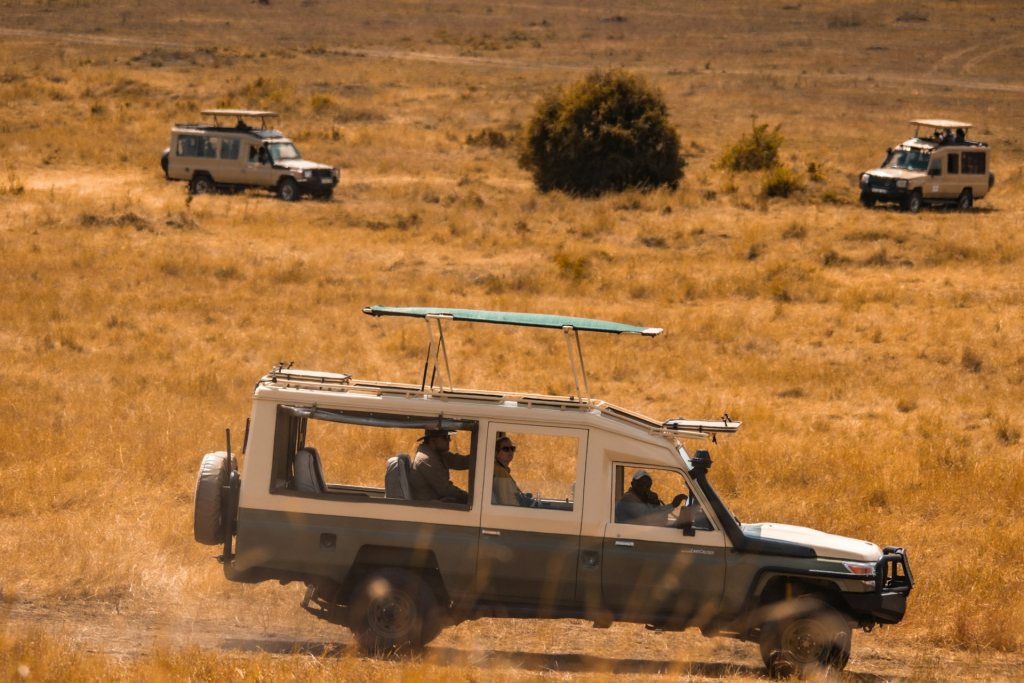
Serengeti National Park can be visited at any time of the year, and Kuria Hills are accessible throughout all seasons. Visiting during the dry months is often advised because roads and trails are easier to use. Wildlife viewing is also easier during this time, as animals gather around water sources.
The dry months run from December to February and from mid June to September. These months are popular for safaris. The remaining months are considered wet months. Visiting during the wet season is still possible. Rain does not fall all day, and the area does not become flooded. Wildlife remains active, and the scenery stays green.
Kuria Hills offer a good mix of woodland, water access, and open views, making the area a useful stop for visitors exploring the northern Serengeti and Ngorongoro region.




